Aura Mesh Window
Aura Mesh Window
Aura Mesh Window
The global architectural glass market is undergoing a paradigm shift, driven by the rise of smart cities and sustainable construction. As of 2024, the industry is valued at over $120 billion USD, with a projected CAGR of 7.2% through 2030. Architectural glass is no longer just a transparent barrier; it has evolved into a multifunctional envelope capable of energy generation, thermal regulation, and aesthetic storytelling.
The Asia-Pacific region dominates the supply chain, accounting for nearly 50% of global production. China stands at the forefront, leveraging advanced manufacturing nodes to supply high-performance Low-E and vacuum-insulated glass to Europe and North America.
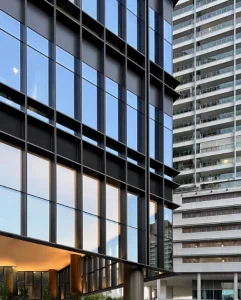
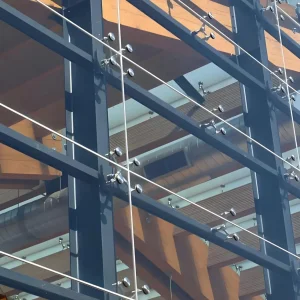
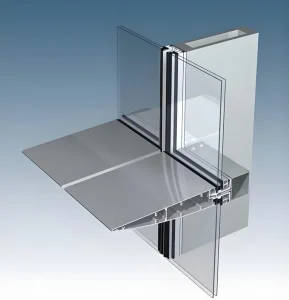
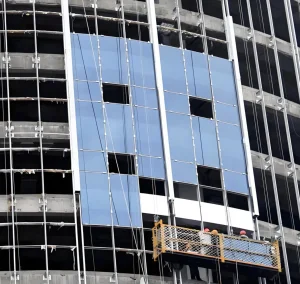
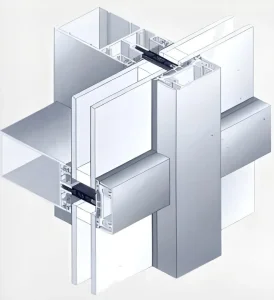
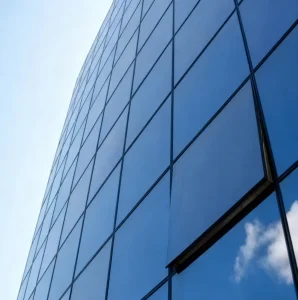
Modern urbanization demands skyscrapers that utilize "Skin and Bone" architecture. High-transparency unitized glass systems are essential for maximizing natural light while maintaining structural integrity against high-altitude wind loads.
Global regulations like LEED and BREEAM have transformed glass specifications. Today's procurement focus is on reducing "Embodied Carbon" and enhancing "Solar Heat Gain Coefficient" (SHGC) through sophisticated coatings.
To stay competitive in the global procurement market, understanding the differentiation between glass types is critical. Our factory integrates AI-driven quality control and robotic processing to meet these evolving trends:
The transition toward "Dynamic Glazing" allows buildings to tint automatically based on sunlight intensity. This reduces HVAC energy consumption by up to 30%, making it a top choice for premium corporate headquarters.
Glass is now a power source. We are seeing a surge in demand for laminated glass that integrates thin-film photovoltaic cells, turning building facades into vertical solar farms without sacrificing aesthetics.
The architectural trend of "Invisible Envelopes" has pushed the limits of glass dimensions. Low-iron glass provides 91% light transmission, removing the greenish tint and providing crystal-clear views for luxury retail and galleries.
In high-security urban zones, SGP (SentryGlas Plus) interlayers are becoming the standard for laminated glass. These offer 5x the strength and 100x the stiffness of traditional PVB, ensuring safety in extreme conditions.
As residential areas expand near airports and highways, multi-layered acoustic laminated glass is a prerequisite. Our products achieve STC ratings of 40+, providing silent environments in chaotic urban centers.
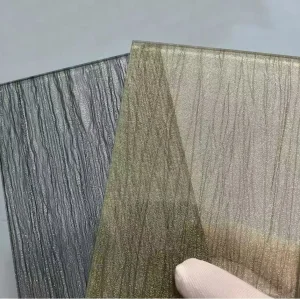
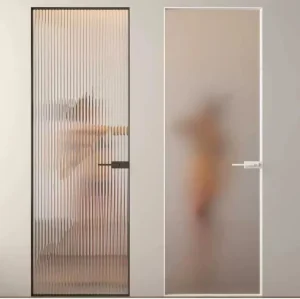
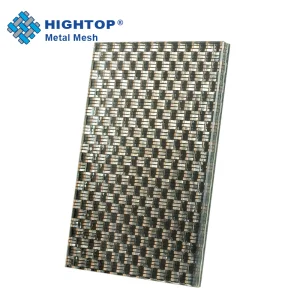
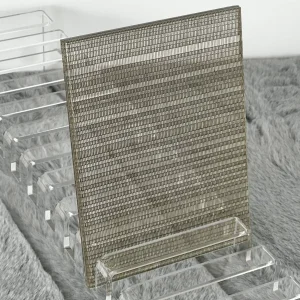
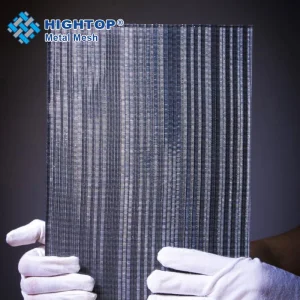
Decorative glass is merging with industrial art. By sandwiching metal fabrics or organic textiles between glass layers, architects create unique visual depth and light diffusion for gymnasiums and interior partitions.
Procuring architectural glass involves complex logistics and strict compliance with international standards (ASTM, CE, AS/NZS). Buyers from different regions have localized needs:
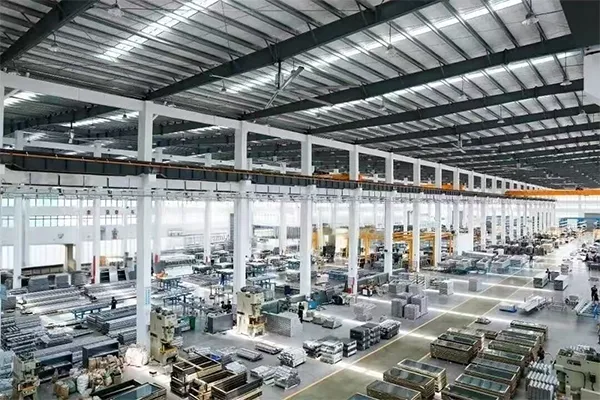
Located in the industrial hub of Anyi County, our facility offers a strategic advantage that combines scale with precision:
We don't just process glass; we manufacture the aluminum frames, fences, and accessories. This ensures 100% compatibility in curtain wall systems.
Our team of 45 engineers provides optimized CAD drawings, structural calculations, and installation tutorials for every project.
With 6 dedicated glass production lines and 8 door/window lines, we maintain a 30,000 sqm ecosystem designed for zero-defect output.
Establishment and Foundation (circa 2015): The company was founded in Anyi County, Nanchang City, Jiangxi Province. It is a manufacturing factory integrating research and development, and professional deep processing of glass, doors, windows, and aluminum fences.
We have been in this industry for over 10 years. The factory covers an area of 30,000 square meters and has 6 production workshops, 6 glass production lines, 8 door and window production lines, and 4 fence production lines. Currently, the factory has 150 employees, 45 of whom are engineers. These engineers are responsible for providing customers with design solutions, construction plans, optimized technical drawings, new product development, and installation tutorials. A dedicated engineer will be assigned to handle the relevant solutions for each order. We have a professional transportation team to prevent damage to glass, doors, windows, and other fragile items during transportation. Our main export regions include Africa, Asia, Australia, and the Americas. We export to more than 100 countries, with an annual export value exceeding US$8 million.
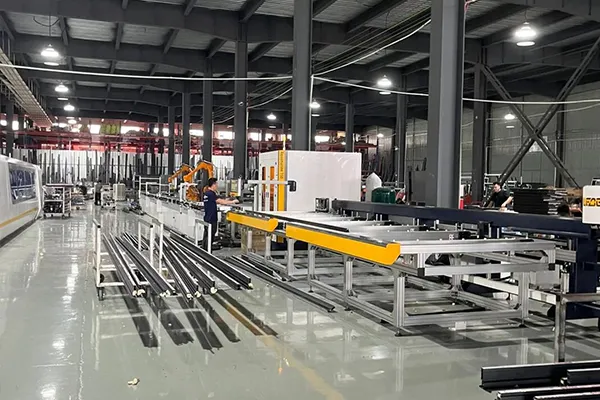
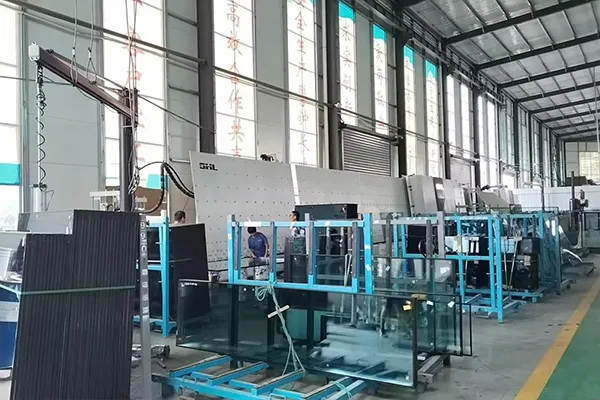
• Steady Development Period: In its early stages, the company mainly engaged in the trade, custom processing, and sales of various industrial and architectural aluminum profiles and door and window accessories. With business development, it gradually accumulated customer resources and market understanding.
• Expansion and Transformation (around 2020): The company began to extend downstream in the industrial chain, expanding its business from single profile trading and processing to the research, design, and production of all-aluminum home furnishings. This was an important strategic expansion for the company, seizing the market opportunity for environmentally friendly and durable all-aluminum home furnishings.
• Branding and Diversified Development (to date): Currently, the company has developed into a comprehensive industrial and trading enterprise integrating industrial aluminum profiles, all-aluminum home furnishings, system doors and windows, and high-end door and window accessories. It expands its national market through a combination of online and offline channels.
Core Development Trajectory: From aluminum profile trading and processing → extending to all-aluminum home furnishing manufacturing → to becoming a comprehensive service provider of door and window systems and accessories.
When selecting architectural glass for large-scale projects, engineers must consider the "U-Value" and "Shading Coefficient." Our factory utilizes state-of-the-art magnetron sputtering technology to apply multi-silver Low-E coatings. This microscopic layer reflects long-wave infrared energy (heat) while allowing visible light to pass through, ensuring that buildings stay cool in summer and warm in winter.
Furthermore, the application of tempered glass is vital for structural safety. By subjecting the glass to controlled thermal treatments, we increase its strength by 4-5 times compared to standard annealed glass. In the rare event of breakage, tempered glass fractures into small, blunt pieces, significantly reducing the risk of injury in public spaces like malls and airports.
As we look toward the future, the "Internet of Facades" (IoF) is becoming a reality. We are researching the integration of sensors within laminated glass to monitor structural health and environmental conditions in real-time. By choosing us as your supplier, you are partnering with a forward-thinking factory that prioritizes innovation, sustainability, and global excellence.