Architectural glass has become a hallmark of modern design. This material is not just about aesthetics; it offers substantial practical benefits. Why is architectural glass so important in modern buildings? It enhances natural light, creating more inviting spaces. Natural light can improve mood and productivity, essential for offices and public spaces.
Moreover, glass provides a sense of connection between indoor and outdoor environments. It blurs boundaries, allowing occupants to feel part of nature. This is particularly valuable in urban settings, where green spaces are often limited. However, we must consider the implications of glass usage. It can lead to increased heating and cooling costs if not designed correctly. Architects and engineers are tasked with addressing these challenges.
In balancing beauty and functionality, expertise is crucial. Knowledgeable professionals leverage advanced technologies to ensure energy efficiency alongside stunning designs. While architectural glass offers many benefits, it also invites reflection on environmental impact and sustainability. Careful consideration of these factors makes it integral to contemporary building practices.
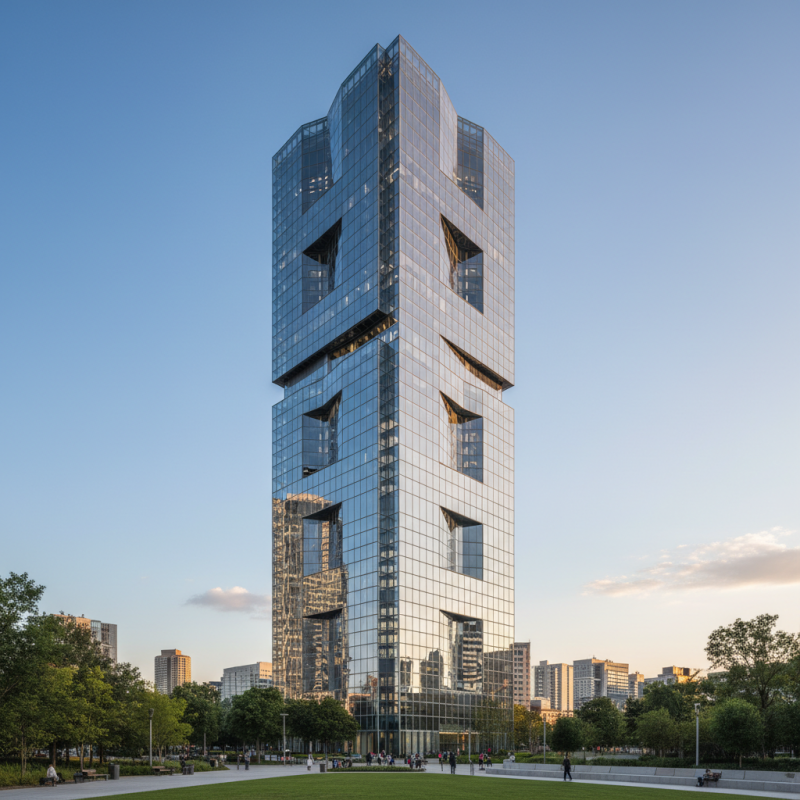
The Role of Architectural Glass in Energy Efficiency of Modern Buildings
Architectural glass plays a vital role in boosting the energy efficiency of modern buildings. By allowing natural light to flood in, it reduces the need for artificial lighting during the day. This feature not only creates a pleasant environment but also cuts down energy costs significantly. However, the effectiveness of glass depends on its design and type. Some glass may not insulate as well, leading to increased heating or cooling expenses.
Incorporating advanced glazing technologies can enhance glass’s thermal performance. Low-emissivity (Low-E) coatings help reflect heat while allowing sunlight in. These innovations make it possible for buildings to maintain stable indoor temperatures. Yet, not all buildings utilize these technologies effectively. Some designs fall short, leading to energy waste and discomfort. Proper planning and execution are essential in maximizing the benefits of architectural glass in energy management.
The aesthetic value of glass cannot be overlooked. Large glass facades create stunning visuals that attract residents and businesses. Still, balancing beauty with functionality is crucial. A striking glass wall should not compromise a building’s energy performance. Awareness of the latest advancements in glass technology is vital for architects and builders. They must stay informed to ensure that design choices align with energy goals.
Impact of Architectural Glass on Natural Lighting and Aesthetics
Architectural glass plays a crucial role in modern buildings. It enhances natural lighting, transforming spaces into bright, vibrant environments. When strategically placed, large glass panels allow sunlight to flood in. This not only reduces reliance on artificial lighting but also promotes a healthier atmosphere.
The aesthetic value of architectural glass cannot be overlooked. Its sleek design complements various architectural styles. Curved glass facades create a sense of fluidity, while reflective surfaces harmonize with the surroundings. However, the challenge lies in maintaining the right balance between transparency and privacy. Overexposed glass can lead to discomfort for occupants and passersby.
Moreover, natural light impacts human psychology. It has been shown to improve mood and productivity. Yet, excessive glare can be distracting. Finding the correct glass treatment is essential. Choosing the right type of glass involves weighing aesthetics against functionality. Each building project presents a unique set of challenges. The integration of architectural glass requires thoughtful consideration and expertise.
Safety and Structural Integrity: The Importance of High-Performance Glass
High-performance architectural glass plays a crucial role in ensuring the safety and structural integrity of modern buildings. According to a 2021 report by the Glass Association, over 60% of construction professionals prioritize glass safety ratings when designing facades. This demonstrates a clear recognition of glass as a critical element. Modern buildings often face severe weather conditions, making it essential for glass to withstand impacts.
Moreover, high-performance glass offers superior thermal insulation, which contributes to energy efficiency. The American Society of Heating, Refrigerating and Air-Conditioning Engineers (ASHRAE) states that 25-30% of a building's energy use is linked to heating and cooling. By utilizing advanced glazing technologies, architects can drastically reduce energy consumption. However, the initial costs of high-performance glass can be daunting, leading to hesitations among builders.
Innovations also bring challenges. For instance, while laminated glass enhances safety, improper installation can lead to vulnerabilities. A 2020 study reported that 15% of glass-related failures were due to installation errors. This emphasizes the need for skilled labor and training in the industry. Architectural glass is not just an aesthetic choice; it is integral to modern construction safety and efficiency.
Innovations in Architectural Glass Technology and Their Benefits
Architectural glass technology has advanced significantly in recent years, enhancing both aesthetics and functionality in modern buildings. According to a report by the Glass Association, energy-efficient glass can reduce heating and cooling costs by up to 25%. Innovations such as double-glazing and low-emissivity coatings are pivotal. These features improve thermal performance while allowing natural light to penetrate deep into spaces, promoting well-being and reducing reliance on artificial lighting.
Another noteworthy development is the use of smart glass. This material can change its transparency based on temperature and light exposure. Studies indicate that dynamic glass can lower energy consumption by 20% in commercial buildings. However, the installation cost can be a barrier. Some argue that the benefits do not always justify the expense, particularly for smaller projects. Industry experts suggest that a careful evaluation of long-term advantages versus initial investments is essential for making informed decisions.
Despite progress, challenges remain. The complexity of installation and maintenance can cause delays. Some architects may struggle with integrating new glass technologies into traditional designs. Embracing architectural glass holds immense potential, but a deeper understanding of these innovations is necessary. Balancing aesthetic values with economic practicality continues to be a pressing concern in the industry.
Sustainability Considerations: The Use of Recyclable Glass in Construction
Architectural glass plays a pivotal role in modern construction. Sustainability is a key focus, particularly with recyclable glass options. This material reduces waste and lowers carbon footprints, making it ideal for eco-friendly buildings.
Using recyclable glass in construction has many benefits. It not only conserves natural resources but also enhances the aesthetic appeal of structures. The clarity and versatility of glass can create stunning facades and interiors. However, not all glass is created equal. Some recycled options may lack the strength or performance needed for certain applications.
Tips for integrating glass sustainably include researching local recycling programs. Ensure that the glass used meets building codes and safety standards. Additionally, consider shades and coatings that improve energy efficiency. This can optimize the building’s functionality while promoting sustainability. Balancing aesthetics and ecological considerations is essential for the future of architecture.
Conclusion
Architectural glass plays a critical role in the functionality and aesthetic appeal of modern buildings, addressing several key considerations. Why is architectural glass so important in modern buildings? Firstly, it significantly enhances energy efficiency by providing thermal insulation while allowing natural light to penetrate, reducing reliance on artificial lighting. This dual benefit promotes sustainability and lowers energy costs for occupants.
Furthermore, high-performance glass contributes to the safety and structural integrity of buildings, ensuring they can withstand environmental stresses while maintaining visual clarity. Recent innovations in glass technology have introduced advanced features that improve durability and energy efficiency, creating smarter buildings. Lastly, the use of recyclable glass in construction supports sustainability efforts, minimizing environmental impact and contributing to a greener future.
 Aura Mesh Window
