Energy efficiency is crucial in maintaining comfort and reducing costs in our homes. Improving the energy efficiency of exterior doors and windows can lead to significant savings. Experts in the field, like Dr. Jane Thompson, emphasize the importance of this aspect. She states, “Investing in energy-efficient doors and windows not only reduces bills but also contributes to a sustainable future.”
When considering how to improve energy efficiency of exterior doors and windows, various methods can be employed. Proper insulation is one key factor. Air leaks around doors and windows can significantly increase energy consumption. Another vital component is choosing the right materials. For example, double-glazed windows can greatly mitigate heat loss during colder months.
Reflecting on these options may lead to a deeper understanding of their impact. While enhancements can vary, some solutions may require a larger upfront investment. This aspect can deter homeowners. However, the long-term benefits often outweigh initial costs, proving the necessity of such upgrades.
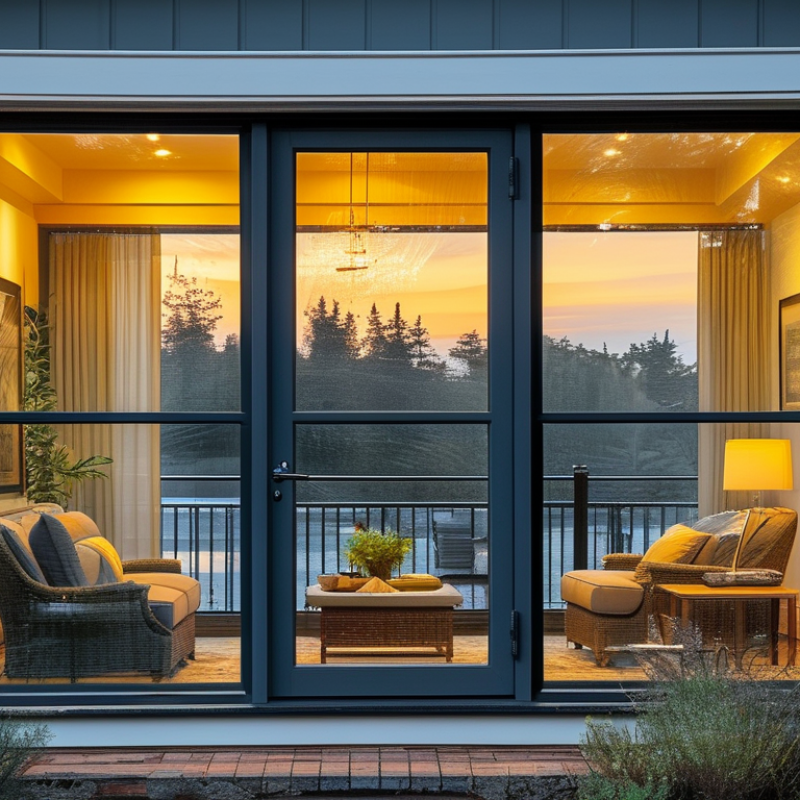
Understanding Energy Efficiency in Doors and Windows
Understanding energy efficiency in doors and windows is crucial for homeowners.
Statistics reveal that up to 30% of residential energy loss occurs through inadequate doors and windows.
In a report by the Department of Energy, upgrading to energy-efficient models can save households an average of $200 annually on energy bills.
When assessing energy efficiency, look for door and window ratings.
A widely recognized measure is the ENERGY STAR certification.
This ensures that products meet strict energy efficiency guidelines.
Opting for double-glazed windows can significantly enhance insulation, reducing heat loss during winter.
Additionally, effective sealing around doors prevents drafts, which can adversely affect energy consumption.
Tips: Consider using thermal curtains to retain heat in winter.
They can minimize energy use. Regularly check for gaps and deteriorating seals around windows and doors.
Addressing these issues promptly can prevent higher energy costs. Lastly, investing in energy-efficient options may seem costly upfront,
but the long-term savings and environmental benefits are significant.
Selecting Energy-Efficient Materials for Door and Window Construction
When selecting materials for doors and windows,
energy efficiency is crucial. High-performance insulation materials can
significantly reduce energy loss. Look for options such as
fiberglass, which is known for its excellent thermal performance.
Wood offers a natural aesthetic and decent insulation but may require more maintenance. Each material has
its pros and cons, and it's essential to weigh them carefully.
Consider the environmental impact of your choices.
Recycled materials can be an eco-friendly option. The manufacturing process
also plays a role in energy use. Seek information about
sustainability ratings. Additionally, reflect on the long-term benefits versus
initial costs. Sometimes, higher upfront costs can lead to better savings in the future.
Understanding local climate conditions is vital. In colder regions,
triple-glazed windows may be more advantageous. In warmer climates, reflective
coatings on glass can help manage heat. Focusing on the right materials not only improves energy efficiency
but can enhance the overall comfort of your home.
Implementing Proper Insulation Techniques for Enhanced Efficiency
Proper insulation is crucial for enhancing energy efficiency in doors and windows. According to the U.S. Department of Energy, up to 30% of a home's heating and cooling energy can be lost through windows and doors. This loss leads to higher utility bills and increased environmental impact. Insulating these areas effectively can significantly reduce energy consumption.
One effective technique is to use high-performance window films. These films can reduce heat transfer and provide UV protection. Research shows that applying window film can lower energy costs by 10% to 15%. Additionally, using weatherstripping around doors can help seal gaps and prevent air leaks. Typically, air leaks account for about 25% of heating and cooling costs in homes. Ensuring a tight seal is often overlooked but is essential for optimal performance.
Though many homeowners are aware of insulation benefits, few fully implement them. It’s common to find poorly insulated windows that form condensation or frost. This indicates inadequate insulation and heat loss. Investing time and resources into proper insulation techniques may seem daunting. However, the long-term energy savings can be substantial. Paying attention to these details can lead to significantly improved comfort and efficiency.
Utilizing Energy-Efficient Hardware and Seals for Doors and Windows
Energy-efficient hardware and seals in doors and windows play a crucial role in improving insulation and reducing energy loss.
Properly fitted seals can minimize air leakage, which is a significant factor in home energy inefficiency.
According to the U.S. Department of Energy, drafts through doors and windows can account for 25-30% of a home's heating and cooling energy use.
Choosing high-performance weatherstripping is essential for enhancing energy savings.
Reports from the Energy and Environmental Affairs show that using quality seals can result in up to a 10% reduction in energy bills.
Materials like silicone, foam, or felt can significantly decrease air infiltration, providing a cost-effective solution for homeowners.
However, not all weatherstripping lasts long; regular checks and replacements are necessary for optimal performance.
In addition, energy-efficient door and window hardware, such as multi-point locking systems, can enhance overall effectiveness.
These systems can ensure a tighter seal when closed, minimizing any gaps.
However, installation errors can lead to issues, undermining their potential benefits.
Therefore, investing in professional installation services is often recommended to ensure these products function correctly.
Regular Maintenance Practices to Sustain Energy Efficiency Over Time
Maintaining energy efficiency in doors and windows requires regular attention. Insulation fraying or caulking wearing off can significantly decrease efficiency. Check seals for any gaps. Even tiny openings can let in drafts. This not only wastes energy but can also lead to higher utility bills. A simple visual inspection can often reveal problems.
Cleaning is vital too. Dirt and debris can affect the function of windows and doors. Regular cleaning prevents damage and keeps your fixtures operating smoothly. Use a gentle cleanser on glass surfaces. Lubricate hinges to avoid stiffness. A little maintenance goes a long way in sustaining performance.
Consider seasonal checks as well. Winter can reveal issues in insulation. Summer heat might highlight problems with heat gain. Be proactive in addressing issues, like worn-out weather stripping. Neglect can lead to bigger repairs over time. Keep track of your maintenance schedule. This will help in long-term energy savings.
Top 10 Ways to Boost Energy Efficiency in Doors and Windows
| Method |
Description |
Frequency |
Potential Energy Savings (%) |
| Seal Gaps and Cracks |
Use weatherstripping or caulk to seal air leaks. |
Annually |
10-20% |
| Install Energy-Efficient Windows |
Choose windows with better insulation properties. |
Every 15-20 years |
15-30% |
| Regular Cleaning |
Clean windows and doors to ensure optimal performance. |
Monthly |
5-10% |
| Upgrade Door Materials |
Replace old doors with insulated or fiberglass alternatives. |
Every 10-15 years |
20-35% |
| Use Storm Windows |
Add a layer of protection against air leaks and drafts. |
As needed |
10-25% |
| Check and Replace Weatherstripping |
Inspect and replace worn weatherstripping on doors. |
Every 2-3 years |
5-15% |
| Install Blinds or Shades |
Use window treatments to reduce heat gain in summer. |
Seasonally |
5-10% |
| Consider Triple-Pane Windows |
Invest in triple-pane units for superior insulation. |
Every 20-30 years |
20-40% |
| Regular Inspections |
Conduct routine checks for any signs of damage. |
Bi-annually |
5-20% |
FAQS
: Up to 30% of residential energy loss can happen through inadequate doors and windows.
Upgrading can save households an average of $200 annually on energy bills.
Homeowners should look for the ENERGY STAR certification for energy-efficient ratings.
Double-glazed windows improve insulation and reduce heat loss during winter significantly.
Effective sealing prevents drafts, which can adversely affect energy consumption and costs.
Thermal curtains help retain heat in winter, minimizing energy use effectively.
Drafts through doors and windows can account for 25-30% of a home's heating and cooling energy use.
Silicone, foam, or felt are effective materials that can reduce air infiltration significantly.
Quality seals don’t last forever; regular checks and replacements are necessary for optimal performance.
Installation errors can lead to gaps or issues, undermining the efficiency of energy-efficient products.
Conclusion
In the quest to enhance energy efficiency in buildings, understanding how to improve energy efficiency of exterior doors and windows is crucial. The selection of energy-efficient materials during the construction phase plays a vital role in mitigating heat loss. Additionally, implementing proper insulation techniques not only enhances the thermal performance but also ensures longevity. Utilizing energy-efficient hardware and seals can create tight seals that prevent drafts, further contributing to energy savings.
Regular maintenance practices are equally important to sustain the high energy efficiency of doors and windows over time. This includes routine checks for wear and tear, ensuring seals remain intact, and making necessary repairs promptly. By adopting these strategies, homeowners and builders can significantly reduce energy consumption and improve overall comfort in living spaces.
 Aura Mesh Window
