Aura Mesh Window
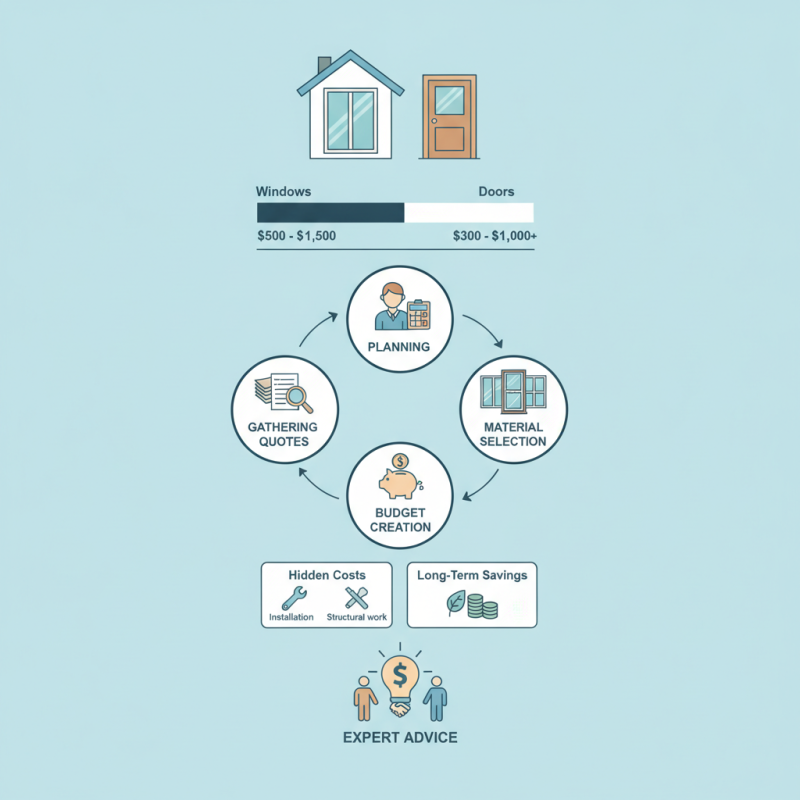
Replacing doors and windows can significantly enhance a home’s energy efficiency and aesthetic appeal. However, budgeting for such renovations can be a challenging task. According to a report from the National Association of Home Builders, homeowners can expect to spend between $500 to $1,500 per window replacement. Doors may range from $300 to $1,000 or more, depending on the style and materials. These figures highlight the importance of understanding costs before embarking on a project.
Industry expert, Emily Carter, emphasizes, “Planning is essential when considering door and window replacements.” She points to the need for a structured approach on how to plan a budget for doors and windows replacement. Homeowners often overlook hidden costs, such as installation fees and necessary structural modifications. This oversight can lead to unplanned expenses that cause stress and financial strain.
Gathering multiple quotes and assessing various materials can help create a more accurate budget. Additionally, considering energy-efficient options may yield long-term savings. Yet, balancing quality with cost can be tricky. Planning carefully and seeking expert advice can pave the way for an effective budgeting process. This thoughtful approach ensures that renovations remain feasible without sacrificing quality.
Budgeting for home improvements is essential. Replacing doors and windows can be costly. Proper budgeting ensures you do not overspend. Understanding your financial limits helps prioritize these improvements. Inadequate planning may lead to compromises, like low-quality materials. Homes deserve quality for longevity.
Consider these tips when budgeting. Research various options and gather quotes from contractors. Comparing prices helps identify the best deals without sacrificing quality. Create a separate savings account dedicated to your home improvement fund. This visual representation of your progress can motivate you to stay on track.
Always allow some flexibility in your budget. Unexpected issues can arise when replacing doors and windows. Old frames may need additional repairs. Budgeting for contingencies can reduce stress. Reflect on your choices and their impact on your home’s value. Avoid rushing decisions; they should enhance your living space.
Assessing the condition of your current doors and windows is the first step in planning for replacements. Over time, exposure to elements can lead to deterioration. According to a study by the National Energy Improvement Fund, around 90% of older windows and doors lose energy efficiency. This inefficiency can increase heating and cooling costs by up to 25%. A simple inspection can reveal signs of damage such as drafts, rot, or broken seals.
When examining your doors and windows, look for gaps in the framing or noticeable wear. Even minor issues can escalate into major problems. The Department of Energy suggests that replacing just one inefficient window can save homeowners an average of $465 annually on energy bills. However, assessing the need for replacement isn't always straightforward. It's often tempting to delay replacement due to costs or time, but neglected issues can lead to greater financial burdens. Make a detailed list of damages and potential fixes to determine if replacement is truly needed.
In addition, consider the age of your doors and windows. Experts indicate that windows typically last 15-20 years. If yours are nearing the end of their lifespan, you might face higher repair costs. Evaluating aesthetic appeal is also important. Aesthetic updates can enhance your property's value. Balance functionality with style when making your assessments.
| Type | Current Condition | Estimated Replacement Cost | Energy Efficiency Rating | Priority for Replacement |
|---|---|---|---|---|
| Exterior Door | Poor - Drafty | $600 | C | High |
| Vinyl Window | Fair - Some moisture | $300 | B | Medium |
| Wood Window | Good - No issues | $450 | A | Low |
| Sliding Patio Door | Poor - Difficult to open | $800 | C | High |
| Storm Window | Fair - Minor rust | $200 | B | Medium |
Replacing doors and windows is a significant investment. Estimating costs is crucial to plan effectively. Material choices impact prices substantially. For instance, vinyl generally costs less than wood. Energy-efficient options may have higher upfront costs but can save money in the long run. It's essential to research various types of materials and find the balance between quality and budget.
Labor costs also play a significant role in your budget. Hiring a professional can save time and stress. Expect to pay more for skilled labor, especially for custom installations. It's wise to get multiple quotes before making a decision. Ensure that each contractor's experience and reviews meet your standards. Additionally, set aside funds for unexpected expenses, such as repairs on damage that may occur during the installation.
One needs to remember that costs can easily escalate. Hidden issues, like water damage or structural problems, can arise. Always include a buffer in your budget for these surprises. It’s a learning experience to manage expectations and understand the potential pitfalls. This planning can lead to a smoother process and improved outcomes.
Budgeting for replacing doors and windows is a critical task for homeowners. A well-thought-out budget can save time and money. According to the National Association of Realtors (NAR), homeowners can expect to recover about 70% of their investment when replacing doors and windows. This statistic highlights the importance of not just choosing cost-effective options, but also investing wisely.
When creating a budget, start by determining your project's scope. Collect quotes from local contractors, which can vary significantly. Research suggests that the average cost of window replacement is between $300 to $1,000 per window. Similarly, door prices can range from $200 to over $1,500. This wide range reflects varying materials and styles, requiring thoughtful consideration. Include potential hidden costs such as installation fees and permits, which can add 15-20% to your initial estimations.
Homeowners often overlook the importance of efficiency. Energy-efficient windows can lead to savings on utility bills, sometimes recouping costs in a few years. While it may be tempting to choose the cheapest option, investing in quality products can yield long-term benefits and reduce maintenance costs. Monitoring prices and trends in the market is essential for making informed decisions. Adjustments to your budget may be necessary as quotes come in. This adaptability is crucial for any renovation project.
Replacing doors and windows can be a significant investment. Many homeowners might feel overwhelmed by the costs involved. However, various financial assistance options can help ease the burden. Local and state governments often provide grants or low-interest loans for home improvement projects. Researching eligibility requirements can reveal opportunities you didn't know existed.
Another option to consider is non-profit organizations that focus on housing improvements. They may offer funding or resources for families in need. It's essential to reach out and ask questions about their programs. Sometimes, energy efficiency programs also provide incentives to replace old windows and doors with more efficient models. These incentives can significantly reduce your total replacement costs.
Budgeting for such projects means being aware of all your financing options. Look for resources in your community and set aside time to explore what support exists. You might find the process daunting, but navigating these options can draw you closer to your goal of a home that is both beautiful and energy-efficient.
: Inspect for drafts, rot, or broken seals. Look for gaps or noticeable wear.
Windows generally last around 15-20 years. Older windows may need replacing.
Delaying replacement can lead to higher repair costs and increased energy bills.
Consider material types, labor costs, and additional expenses like unexpected repairs.
Yes, they can save money on energy bills over time. It’s a long-term investment.
Yes, hiring a professional saves time and reduces stress, but it may cost more.
Always include a buffer in your budget for hidden issues that may arise.
Aesthetic updates can enhance your property's value and improve its overall appearance.
Check for drafts, water damage, or any structural problems in your doors and windows.
Balancing both can improve energy efficiency while also enhancing your property’s appeal.
When considering how to plan a budget for doors and windows replacement, it's vital to first understand the significance of budgeting for home improvements. Assessing your current doors and windows will help identify which ones need replacement based on their condition and energy efficiency. Once you have a clear idea of what needs to be done, estimating the costs involved—including materials, labor, and any additional expenses—becomes crucial.
Creating a realistic budget involves using various tips and tools that are specifically designed for homeowners embarking on such projects. Additionally, exploring available financial assistance options can help alleviate the financial burden of your replacement project. By following these steps, homeowners can ensure they efficiently allocate their resources and enjoy the benefits of improved doors and windows.
