Aura Mesh  Window Aura Mesh Window

Why Do Curtain Walls Enhance Building Appearance?

Time:2026-06-27 Author:Sienna
0%

Curtain walls are a popular architectural feature in modern buildings. They not only provide functionality but also enhance overall aesthetics. How do curtain walls affect building appearance? This question uncovers the relationship between design and perception.

Curtain walls bring a sleek and contemporary look. Their ability to create expansive glass surfaces allows for natural light to flood interiors. This can greatly improve the mood and energy of a space. The reflections from these walls can interact beautifully with the environment. As a result, buildings may appear to change color throughout the day. However, not all curtain walls achieve this effect seamlessly. Poor design choices can lead to stark, uninviting facades.

Moreover, curtain walls contribute to the uniqueness of a building. They can highlight architectural lines and create impressive silhouettes. Yet, it’s crucial that the design aligns with the building’s purpose and surroundings. Otherwise, they can feel out of place. The challenge lies in balancing beauty with functionality and context. Therefore, while curtain walls can enhance a building's appearance, they demand thoughtful consideration in design.
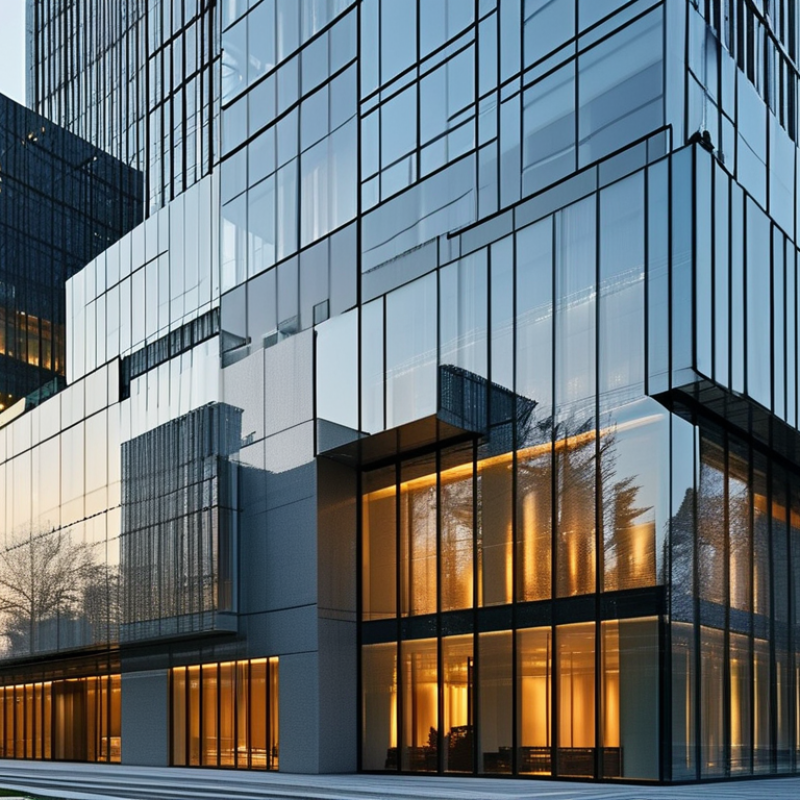
Why Do Curtain Walls Enhance Building Appearance?

The Definition and Purpose of Curtain Walls in Architecture

Curtain walls are an essential architectural feature that serve both aesthetic and functional purposes. They are non-structural, lightweight cladding systems that hang from a building's frame. Primarily made from glass and metal, curtain walls provide natural lighting while enhancing the visual appeal of structures.

One crucial aspect of curtain walls is their ability to create a seamless connection between indoor and outdoor spaces. This connection not only improves the overall ambience but also impacts energy efficiency. Well-designed curtain walls can help regulate temperature and reduce energy consumption. Tip: Consider how different materials and colors affect light diffusion and heat retention.

Though curtain walls improve appearance, they can present challenges. Proper installation is vital; any errors can lead to long-term issues, such as leaks or structural weaknesses. Maintenance is also essential, as dirt and grime may accumulate, dulling their sheen. Tip: Regular cleaning and inspections ensure that your curtain walls remain functional and attractive.

Why Do Curtain Walls Enhance Building Appearance?

Aspect Description Benefits
Aesthetic Appeal Curtain walls provide a sleek, modern appearance with large glass surfaces. Enhances the visual impact of the structure, making it more attractive.
Natural Light Allow for ample natural light to enter the building. Improves indoor ambience and reduces the need for artificial lighting.
Versatility Can be designed in various styles and materials. Allows for creative architectural expressions and flexibility in design.
Energy Efficiency Modern curtain walls can be designed for energy efficiency with insulating properties. Can reduce heating and cooling costs over time.
Structural Integrity Provides resistance to wind and seismic forces. Enhances the building’s durability and safety.

Historical Evolution of Curtain Walls in Building Design

The evolution of curtain walls has significantly impacted modern architecture. Initially, these walls were functional, serving as barriers against weather. They allowed for larger windows, enhancing natural light in buildings. Over time, designers noticed how these glass facades transformed the aesthetic appeal of structures.

In the mid-20th century, curtain walls became a staple in commercial architecture. They created sleek, modern appearances, setting a new standard. However, their implementation raised questions about energy efficiency. Many buildings, while visually striking, struggled with heat retention. This highlighted the need for more thoughtful design approaches.

Today, architects are blending form and function. Innovative materials improve thermal performance while retaining visual elegance. Yet, the challenge remains to ensure that aesthetics do not overshadow practicality. Balancing these aspects is crucial in modern design, inviting ongoing reflection as architectural trends continue to evolve.

Why Do Curtain Walls Enhance Building Appearance?

This chart illustrates the increasing popularity of curtain walls in building design from the 1940s to the 2020s, highlighting their significant role in enhancing building aesthetics over time.

Aesthetic Advantages of Curtain Walls for Modern Structures

Curtain walls have become a defining feature of modern architecture. Their sleek design and versatility enhance the overall aesthetic of buildings. These walls can be made from materials like glass and metal, allowing for creative expression. The reflective surfaces of glass can create stunning visual effects, especially in urban environments. This can add a dynamic element as light changes throughout the day.

Incorporating curtain walls can also help bring nature indoors. Large glass panels allow natural light to flood interior spaces. This creates an inviting atmosphere that can improve the mood of occupants. However, it is essential to balance aesthetics with functionality. Overuse of glass can lead to issues like heat gain or glare. Designers must consider these factors while embracing the beauty of curtain walls.

The visual appeal of curtain walls can turn an ordinary building into a landmark. Yet, the construction process requires careful attention. Poor installation can compromise the entire structure's integrity. This highlights the importance of expertise in implementing curtain wall systems effectively. Flawless design and installation can lead to visually striking and durable buildings.

Impact of Material Choice on the Visual Appeal of Curtain Walls

The choice of materials for curtain walls significantly impacts a building's visual appeal. According to a report from the Glass Association, the use of high-performance glass can enhance aesthetics while improving energy efficiency. Opting for materials that reflect or refract light creates dynamic facades, contributing to a structure's character. Architectural firms increasingly prioritize innovative materials to stand out in urban environments.

Choosing the right finishes also matters. A combination of glass, metal, and stone can create a stunning contrast, enhancing visual interest. For instance, research indicates that buildings with textured surfaces appear more appealing and inviting. It's essential to balance material costs with visual intent, as premium materials don't always translate into better aesthetics.

Tips: Consider local climate factors when selecting materials. Some finishes may degrade faster in specific conditions. Also, think about long-term maintenance; a beautiful curtain wall can lose its charm if upkeep is neglected. Regular inspections can prevent aesthetic issues.

Integration of Curtain Walls in Sustainable and Innovative Architecture

Curtain walls play a significant role in modern architecture. They not only enhance aesthetic appeal but also improve energy efficiency. By integrating glass and metal, curtain walls create a sleek, contemporary look. The transparency allows natural light to fill interiors, reducing the need for artificial lighting. This creates a vibrant, inviting atmosphere in buildings.

Sustainable design principles benefit from curtain walls. They enable passive solar heating and cooling, effectively minimizing energy consumption. The selection of high-performance glazing can further optimize thermal comfort. Yet, these innovations come with challenges. Maintenance of glass surfaces can be labor-intensive, and the initial costs may deter some projects. Architects must weigh these factors carefully.

Innovative designs are emerging. Architects now explore various materials and textures for curtain walls. This allows for unique combinations that stand out in urban settings. Collaboration among engineers and designers is essential in these projects. While curtain walls offer numerous advantages, ongoing discussions about their sustainability are necessary. Evaluating long-term impacts remains crucial for the future of architecture.

FAQS

: What are curtain walls in building design?

: Curtain walls are non-structural exterior walls that provide weather resistance and allow for larger windows.

How have curtain walls evolved in modern architecture?

They started as functional barriers but have developed into stylish features, improving both aesthetics and light entry.

What aesthetic advantages do curtain walls offer?

They enhance modern designs, allow creative expression, and reflect light beautifully in urban settings.

Are there any functional issues with curtain walls?

Yes, while visually appealing, they can cause heat retention and glare if not designed thoughtfully.

How can the choice of materials affect curtain walls?

High-performance materials enhance both beauty and energy efficiency, influencing the overall visual appeal of buildings.

What should designers consider when using curtain walls?

Balance aesthetics and functionality, ensuring proper installation to maintain structural integrity and avoid maintenance issues.

Can natural elements be incorporated with curtain walls?

Yes, large glass panels let in natural light, creating inviting spaces but may lead to heat gain if overused.

How important is the finish of curtain wall materials?

The right combination of glass, metal, and stone can enhance visual interest and appeal but requires careful selection.

What role does local climate play in material selection?

Climate impacts performance; materials may degrade faster in certain conditions, affecting longevity and aesthetic appeal.

What maintenance is necessary for curtain walls?

Regular inspections are essential to prevent aesthetic issues, ensuring that the beauty of the curtain wall is preserved.

Conclusion

Curtain walls have become a prominent feature in modern architectural design, serving both functional and aesthetic purposes. How do curtain walls affect building appearance? They offer a sleek, contemporary look that enhances a building's visual appeal while allowing natural light to permeate the interior. Historically, the evolution of curtain walls has transitioned from solid structures to lightweight, transparent components that emphasize openness and connection with the surroundings.

The choice of materials, such as glass and metal, greatly influences the aesthetic character of curtain walls, enabling architects to create innovative designs that reflect their vision of sustainability and style. As architects continue to integrate curtain walls into their projects, the emphasis on aesthetics combined with sustainability highlights their role in defining modern architecture, making them essential in the pursuit of visually striking and environmentally responsible buildings.

Sienna

Sienna

Sienna is a skilled marketing professional with a deep expertise in our company’s core products and services. With a passion for innovation and detail, she plays a pivotal role in crafting insightful blog posts that not only highlight the unique features of our offerings but also provide valuable......