Aura Mesh  Window Aura Mesh Window

Top 5 Most Durable Materials for Exterior Doors?

Time:2026-08-07 Author:Mason
0%

When considering home security and aesthetics, the choice of exterior doors becomes crucial. Homeowners often face the challenge of selecting the right material, leading to the question, "What is the most durable material for exterior doors?" Durability is essential in protecting your home from the elements. Different materials offer varying levels of strength and resistance.

Wood, steel, fiberglass, aluminum, and composite materials stand out as popular choices. Each has its pros and cons. For instance, wood provides beauty but may not withstand harsh weather. Steel is robust but can rust if not properly maintained.

Understanding these materials helps make informed decisions. Evaluating the varying durability will guide you in selecting the best option for your home. The right exterior door can enhance both safety and style. Balancing aesthetics with long-term resilience is vital for every homeowner.
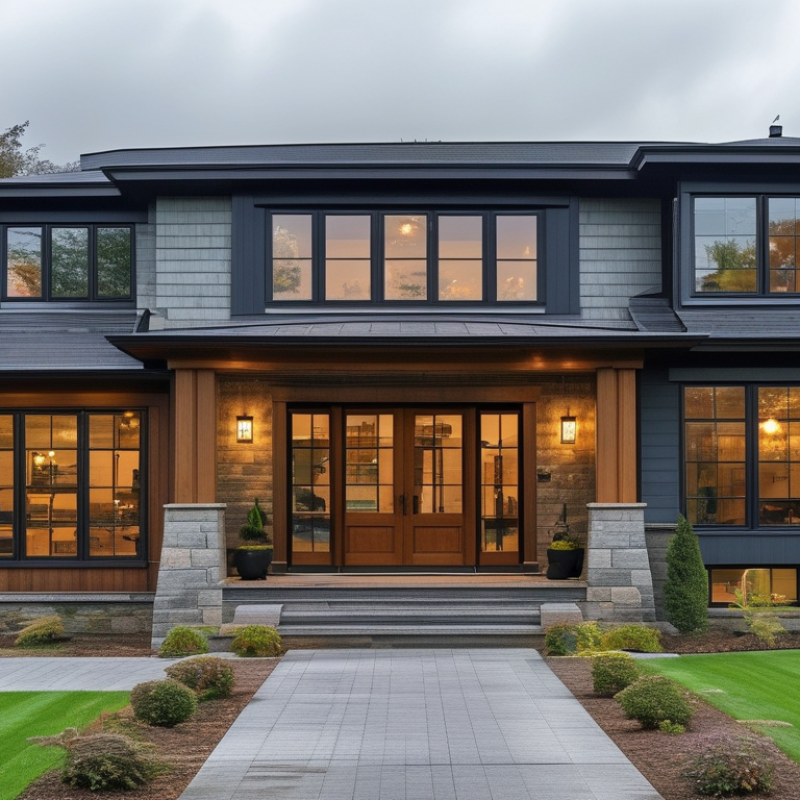
Top 5 Most Durable Materials for Exterior Doors?

Understanding Durability in Exterior Door Materials

When considering exterior doors, durability should be a key factor. The right materials can withstand weather, wear, and tear. Wood, steel, and fiberglass remain top choices due to their unique properties. Each of these materials offers different strengths, highlighting the importance of understanding how they perform in various environments.

Wood is beautiful but needs regular maintenance. It can warp or split if not taken care of properly. Steel is strong and resistant to impact but can rust without proper treatment. Fiberglass offers a good balance; it's lightweight and resistant to dents or scratches. However, it may not have the same aesthetic appeal as wood.

Choosing the right material is not just a matter of preference. It requires careful consideration of climate and location. Different environments can diminish the longevity of specific materials. For instance, areas with high humidity might be less forgiving to wood. Reflecting on these factors is vital in making an informed decision for a durable exterior door.

Top 5 Most Durable Materials for Exterior Doors

This chart displays the durability scores of the top 5 most durable materials for exterior doors. Fiberglass tops the list with a score of 9, followed by steel, wood, aluminum, and vinyl. These scores represent the materials' resistance to wear, weather, and other external factors.

Wood: Classic Appeal and Natural Strength

Wood has long been a preferred choice for exterior doors due to its classic appeal and natural strength. According to the American Wood Council, properly selected wood can provide superior thermal insulation compared to synthetic materials. It creates a warm, inviting atmosphere while ensuring durability against weather conditions. Species like oak and mahogany excel in strength and resist warping.

However, wood doors require maintenance. Regular sealing and refinishing can help them withstand moisture and prevent rot. A study published in the Journal of Architectural Design revealed that untreated wood doors can decay within a decade. Homeowners should weigh the aesthetic benefits against the need for upkeep. Despite challenges, the beauty of wood lies in its unique grains and textures, which cannot be replicated by artificial materials.

In addition, wood doors contribute to energy efficiency. Research indicates that properly insulated wood frames can reduce energy bills by up to 15%. While choosing wood offers advantages, potential buyers should reconsider the long-term commitment involved. Wood embodies strength and elegance, but it also demands respect and care.

Top 5 Most Durable Materials for Exterior Doors

Material Durability (Years) Weather Resistance Maintenance Level Aesthetic Appeal
Wood 20-30 Good Moderate High
Fiberglass 30-50 Excellent Low Moderate
Steel 20-30 Good Low Low
Aluminum 30-40 Excellent Low Moderate
Composite 25-35 Good Low High

Steel: Security and Weather Resistance

When considering exterior doors, steel stands out for its exceptional durability. It offers unmatched security against break-ins and harsh weather conditions. Its solid construction can withstand both impact and corrosion. Homeowners value this protective feature, especially in areas prone to storms or extreme temperatures.

Tips: Always check the gauge of the steel. A higher gauge means a thinner door, which might not provide adequate protection. If you live in a humid area, consider additional treatments to prevent rust.

Steel doors are also energy efficient. They can be insulated to keep your home warm in winter and cool in summer. Proper insulation reduces energy costs. Many homeowners overlook this aspect, but it is crucial for comfort and savings.

When installing a steel door, ensure it fits correctly within the frame. Gaps can lead to air leaks, reducing its benefits. Additionally, examine the finish regularly for scratches. Touching up any damage can prevent rust and maintain your door's aesthetics.

Fiberglass: Versatile and Low-Maintenance Option

Fiberglass exterior doors are gaining popularity for their durability and low maintenance. These doors resist warping, cracking, and rotting, even in extreme weather. Homeowners appreciate the wide range of designs that mimic wood grain. This versatility allows integration into various architectural styles.

Another notable feature of fiberglass doors is their energy efficiency. They provide excellent insulation, keeping homes warm in winter and cool in summer. This benefit not only enhances comfort but also reduces energy costs. However, it's important to ensure proper installation. Poorly fitted doors can lead to air leaks and diminish their effectiveness.

While fiberglass doors stand out, they are not without drawbacks. Minor scratches can occur and may require touch-ups. Some homeowners may find it challenging to match paint for repair. These considerations should be weighed before making a decision. Choosing the right door relies on personal preference and specific needs.

Aluminum: Lightweight and Corrosion-Resistant Choice

Aluminum has emerged as a leading choice for exterior doors due to its lightweight nature and remarkable corrosion resistance. A report from the American Architectural Manufacturers Association highlights that aluminum doors, when properly treated, can withstand harsh weather conditions for over 20 years without significant degradation. This durability makes them ideal for a variety of environments.

One of the compelling features of aluminum is its ability to resist rust and corrosion. This is particularly beneficial in coastal areas where salt exposure can damage other materials. According to studies by the Aluminum Association, aluminum maintains its integrity even when exposed to extreme environmental conditions. While it may not provide the same level of insulation as wood or fiberglass, many producers now offer insulated aluminum doors that improve energy efficiency.

However, it's crucial to consider the balance between quality and cost. Not all aluminum doors are created equal. Some low-quality options may corrode or dent easily. Homeowners should seek products backed by industry certifications to ensure long-term performance. Using reputable manufacturers can help mitigate potential issues, but diligence in selection is always advised.

FAQS

: Why should I choose wood for my exterior door?

: Wood offers classic appeal and natural strength. It provides great thermal insulation and a warm atmosphere.

What types of wood are best for doors?

Oak and mahogany are excellent choices. They are strong and resist warping effectively.

How much maintenance do wood doors require?

Regular sealing and refinishing are essential. Untreated wood can decay within a decade.

Can wood doors save on energy costs?

Yes, insulated wood frames can reduce energy bills by up to 15%. This is significant for many homeowners.

What advantages does steel offer for exterior doors?

Steel doors provide exceptional durability and security. They withstand break-ins and harsh weather conditions well.

How can I ensure my steel door is effective?

Check the steel gauge for thickness. A suitable fit prevents air leaks, enhancing energy efficiency.

Are steel doors energy-efficient?

Yes, when insulated properly, they keep homes warm in winter and cool in summer. This helps reduce energy costs.

What should I do if my steel door is scratched?

Regularly examine the finish. Touching up scratches prevents rust and maintains the door's aesthetics.

Conclusion

When considering durability in exterior door materials, it’s essential to evaluate the strengths of various options. Wood, celebrated for its classic appeal, offers natural strength but may require maintenance to withstand the elements. Steel stands out for its unparalleled security and impressive weather resistance, making it a top choice for safety-conscious homeowners. Fiberglass emerges as a versatile and low-maintenance option, combining durability with aesthetic flexibility. Additionally, aluminum is recognized for its lightweight properties and corrosion resistance, making it an excellent choice for coastal environments.

So, what is the most durable material for exterior doors? While each material has its benefits, steel and fiberglass often lead in terms of overall durability and performance, providing homeowners with long-lasting solutions that combine function and style. Choosing the right material ultimately depends on individual needs, climate considerations, and maintenance preferences.

Mason

Mason

Mason is a seasoned marketing professional with a deep expertise in the company's offerings and a passion for driving brand awareness. With a strong background in digital marketing strategies, he has an innate ability to connect with diverse audiences and effectively communicate product benefits.......