Aura Mesh Window
When considering energy efficiency in homes, exterior doors and windows play a crucial role. Many homeowners overlook how to improve energy efficiency of exterior doors and windows. Yet, these elements can significantly affect heating and cooling costs. Poorly insulated doors and drafty windows lead to energy loss. This not only impacts comfort but also increases utility bills.
There are several strategies to enhance the efficiency of these features. Simple upgrades, like weatherstripping or sealing gaps, can reduce air leaks. Installing energy-efficient glass or replacing old units with modern designs may also help. Many homeowners struggle with these tasks. They might question where to start or how much to invest.
Taking the time to assess your doors and windows can yield substantial benefits. You've got options, from DIY fixes to professional installations. Each choice carries its own cost and impact. Understanding these factors is essential for making informed decisions about home energy efficiency.
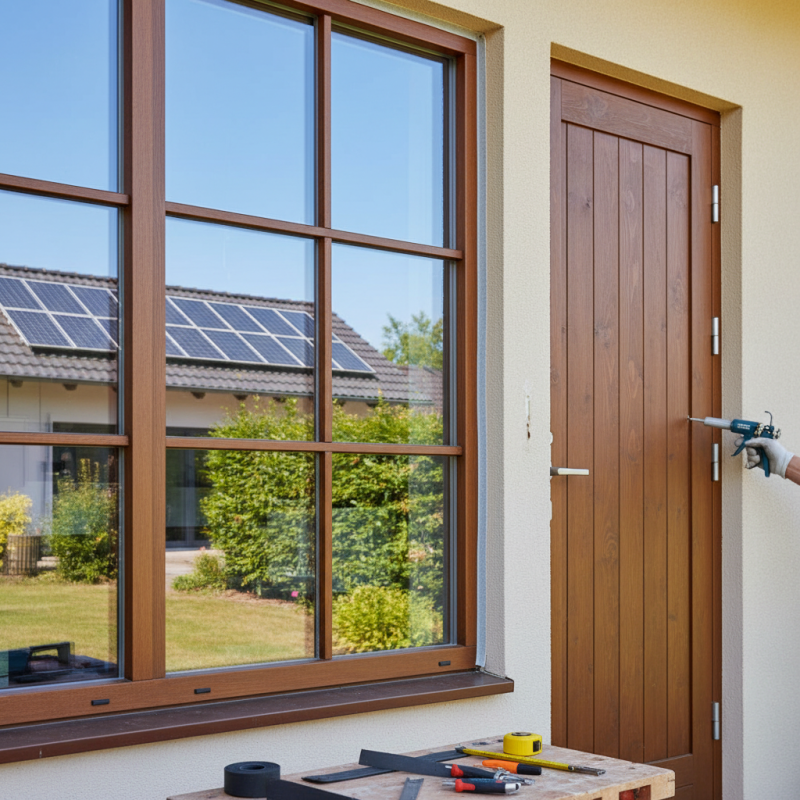
Selecting energy-efficient exterior doors is essential for maintaining comfort in your home. Start by considering materials. Look for insulated doors that minimize heat transfer. Fiberglass and steel options often excel in this area. They can trap air better than wood, which can expand and contract over time. This stability ensures better thermal performance.
Window selection follows a similar path. Double-glazed windows offer superior insulation. They limit drafts and reduce energy consumption. Low-E coatings are another detail to consider. These coatings reflect heat, keeping your home warm in winter and cool in summer. However, remember that installation plays a crucial role. Poorly fitted products can negate efficiency gains, leading to wasted energy.
Ultimately, focus on the details. Frame materials, sealants, and proper installation impact overall performance. Take the time to assess your options. Each choice can contribute to a more energy-efficient home. But don’t rush; reflect on what suits your specific needs best. Mistakes in selection can lead to high energy bills and discomfort, so careful thought is necessary.
The insulation materials used in windows significantly influence their performance and energy efficiency. Energy-efficient windows can reduce heating and cooling costs by up to 30%. A well-insulated window minimizes heat transfer, ensuring a comfortable indoor environment. Research indicates that low-emissivity (Low-E) coatings can improve energy savings by reflecting heat and UV rays.
Choosing the right insulation is crucial for maximizing energy efficiency. Foam, fiberglass, and cellulose are popular insulation materials. Each has its unique properties. For instance, foam offers superior thermal resistance, while cellulose is eco-friendly. Every material has its pros and cons. Not all types perform equally well in every climate.
**Tip:** Consider double or triple-glazed windows. They provide additional layers of insulation. Sealing gaps with weather stripping further enhances efficiency. Proper installation is also key here. An improperly fitted window can negate the benefits of the best insulation.
Pay attention to the U-factor, which measures window insulation. A lower U-factor means better insulation. Aim for windows with a U-factor of 0.3 or lower. Ultimately, optimizing energy performance requires thoughtful choices in materials and installation methods.
When it comes to energy efficiency in exterior doors and windows, understanding U-Factor and Solar Heat Gain is crucial. The U-Factor measures thermal conductivity. A lower U-Factor indicates better insulation. Solar Heat Gain refers to how much solar radiation is absorbed. It’s essential to balance these ratings for optimal energy efficiency.
To improve your home's effectiveness, consider these tips. Choose windows with a low U-Factor. Aim for a rating below 0.3 for excellent insulation. Ensure proper installation to minimize gaps. Even small leaks around doors can lead to major energy losses.
Incorporate shades or awnings to reduce solar heat gain. They can block excess sunlight and lower cooling costs. Reflective films on windows also help, but may limit natural light. Evaluate your options based on aesthetics and functionality. Remember, not all solutions fit every home. Testing various methods can lead to better results. Reflect on what works and what doesn’t. Adjust as needed for continuous improvement.
When it comes to sealing and weatherstripping doors and windows, the details really matter. Gaps can lead to drafts, wasted energy, and discomfort. Inspect your doors and windows regularly for any signs of wear. Look for cracks or missing caulk. A simple visual check can reveal a lot.
Using weatherstripping is an effective way to improve energy efficiency. There are different types, including foam, felt, and vinyl. Each has its pros and cons. Foam is easy to install but may not last long. Vinyl, on the other hand, is durable yet can be more challenging to fit. Choose what suits your needs best.
Sealing any gaps around frames can make a big difference. A bead of caulk can prevent air leaks. Pay attention to the corners; these are often overlooked. Testing your work with a candle can show you where drafts may still exist. This process takes patience and sometimes more than one attempt. But it is worth the effort to create a more comfortable home.
When considering energy efficiency in homes, windows and doors are crucial. Glazing options play a significant role in heat retention. High-performance glazing can significantly reduce your energy bills while making your home more comfortable. It works by reducing heat transfer through the glass, keeping your space cooler in summer and warmer in winter.
Choosing double or triple-glazed windows can offer better insulation. These windows contain multiple layers of glass. The air or gas between the panes acts as a barrier to heat loss. However, not all double-glazed windows are equal. The gap size and coating matter, so research before committing.
**Tips:** Look for low-E coatings on glass. These reflect heat while allowing light. They enhance energy efficiency without sacrificing brightness. Also, consider installing window films. They can improve insulation and are often more affordable than new windows. Regular maintenance of door seals and frames is crucial too. Small gaps can lead to significant energy loss.
| Feature | Description | Energy Savings (%) | Glazing Type |
|---|---|---|---|
| Low-E Coatings | Reflects infrared energy while allowing visible light to pass through. | 15-30% | Double Glazing |
| Gas Fills | Fills the space between panes with argon or krypton gas to reduce heat transfer. | 10-25% | Triple Glazing |
| Frame Materials | Utilizing materials like fiberglass or vinyl to improve insulation. | 5-15% | N/A |
| Weather Stripping | Seals gaps around doors and windows to prevent air leakage. | 10-20% | N/A |
| Solar Shading | External shades, awnings, or films reduce heat gain from sunlight. | 15-35% | N/A |
: They help maintain comfort in your home and reduce energy bills.
Insulated doors made of fiberglass or steel are best for thermal performance.
They limit drafts and reduce energy consumption significantly.
Low-E coatings reflect heat, keeping homes warm in winter and cool in summer.
Poorly fitted windows can waste energy and negate insulation benefits.
Use weather stripping to seal gaps and consider double or triple glazing.
Foam, fiberglass, and cellulose each have unique properties for energy savings.
Not all materials perform well in every climate, so assess based on your needs.
It measures window insulation; a lower U-factor indicates better performance.
Yes, poor choices can lead to high energy bills and discomfort in your home.
To improve energy efficiency of exterior doors and windows, it is essential to focus on selecting high-performance components that enhance insulation and reduce energy loss. Key strategies include choosing energy-efficient exterior doors with robust sealing properties and selecting windows that incorporate advanced insulation materials. Understanding energy ratings, particularly the U-factor and solar heat gain, can guide homeowners in making informed decisions regarding window performance and potential energy savings.
Additionally, employing best practices for sealing and weatherstripping can further minimize drafts, ensuring that energy-efficient systems perform optimally. Exploring various energy-efficient glazing options is also critical for maximizing heat retention, allowing for improved comfort and reduced heating and cooling costs. By integrating these strategies, homeowners can effectively enhance the energy efficiency of their exterior doors and windows.
