Aura Mesh  Window Aura Mesh Window

2026 How to Choose Anodized Surface Finishes for Your Projects?

Time:2026-03-30 Author:Liam
0%

When considering surface treatments for metal projects, Anodized Surface Finishes offer compelling advantages. These finishes enhance durability, improve corrosion resistance, and provide aesthetic appeal. Selecting the right anodized finish requires careful consideration of several factors, including the intended application and environmental conditions.

Designers and engineers often underestimate the significance of surface finishes. Anodized finishes can vary in color, texture, and thickness. Each variation influences the performance and look of the final product. Understanding the distinctions among anodized options is crucial for achieving desired outcomes.

Missteps in choosing anodized finishes can lead to unexpected issues. For instance, improper thickness can compromise durability. Additionally, the color may fade over time if not selected wisely. It's essential to conduct thorough research and consider expert advice when making decisions about Anodized Surface Finishes. These details can significantly impact the success of your project.
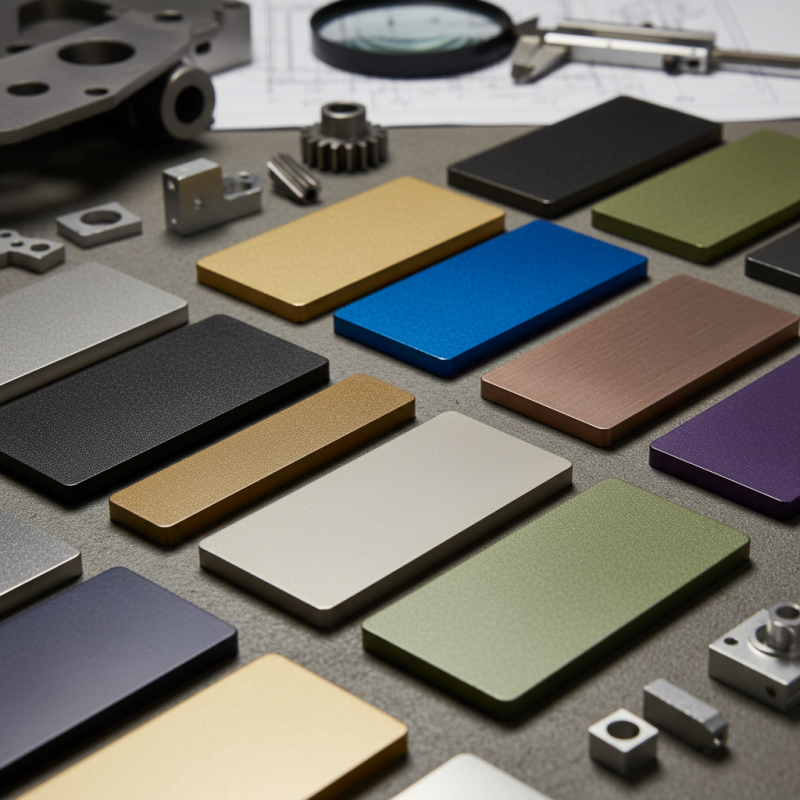
2026 How to Choose Anodized Surface Finishes for Your Projects?

How Anodized Finishes Enhance Durability and Aesthetic Appeal

Anodized finishes are gaining popularity for a reason. They not only enhance the aesthetic appeal of projects but also significantly boost durability. When aluminum is anodized, it undergoes an electrochemical process that thickens its natural oxide layer. This transformation results in a surface that resists scratches, corrosion, and wear. For projects exposed to harsh environments, such as marine applications, anodizing is a game-changer.

The visual impact of anodized finishes can't be overstated. The colors and textures available can greatly complement design schemes. From sleek metallic sheens to bold, vibrant hues, these finishes allow for creativity. However, achieving the desired look can sometimes be challenging. Colors may vary depending on the alloy used and the anodizing process. This inconsistency can lead to unexpected outcomes, urging designers to consider test samples in advance.

Moreover, it's essential to understand that not all anodized finishes are the same. The thickness of the anodic layer can change the surface's performance characteristics. A thicker layer offers better protection but may alter color appearance. Balancing aesthetic choices with functional requirements requires careful thought. It's advisable to engage with experienced professionals to navigate these complexities effectively.

Durability and Aesthetic Appeal of Anodized Finishes

This chart illustrates the comparative benefits of anodized surface finishes in terms of durability and aesthetic appeal across different applications. The data shows the percentage of users who rated durability and aesthetic appeal on a scale of 1 to 10 for various industries: automotive, aerospace, electronics, and architecture.

Key Considerations for Selecting Anodized Surface Thickness

When selecting anodized surface finishes, thickness is a crucial factor to consider. The thickness of the anodized layer directly impacts both the aesthetic appeal and functional performance of the material. Thicker anodized coatings generally offer better corrosion resistance and wear resistance. However, they can also alter the appearance, potentially leading to a duller finish. Finding the right balance is essential.

Different projects may require different thicknesses. For example, architectural applications can benefit from thicker anodizing due to exposure to harsh weather. Conversely, thinner finishes may suffice for decorative items, where appearance is paramount. It's important to assess the specific environment and use cases for the project. Reflecting on past choices helps refine future decisions.

While thicker finishes are often associated with durability, they may not always be necessary. Sometimes, a thinner layer can provide sufficient protection while maintaining visual appeal. Understanding these nuances helps ensure that you select the right anodized thickness for your project.

Understanding the Types of Anodized Finishes and Their Applications

Anodized finishes are widely used across various industries. These surfaces enhance corrosion resistance and aesthetics. Understanding the different types of anodized finishes is crucial for selecting the right one for your project.

There are generally three types of anodized finishes: Type I, Type II, and Type III. Type I finishes use chromic acid, offering excellent adhesion and minimal thickness. However, they may not provide the best corrosion resistance compared to others. Type II, using sulfuric acid, is the most common choice. It offers a balance of thickness and durability, suitable for everyday applications. According to a 2022 industry report, approximately 68% of anodized projects utilize Type II finishes. Type III is thicker and often used for heavy-duty applications, but it can be costlier.

The application of anodized finishes varies significantly. For architectural projects, AAMA standards recommend Type II for its vibrant color choices and robust protection. In aerospace, Type III is preferred due to its superior wear resistance. However, not all anodized surfaces are equal. Some may chip or fade after prolonged exposure to UV light, reminding us to consider the environmental conditions each finish will face.

Evaluating Environmental Impacts of Anodized Coatings in Projects

When evaluating the environmental impacts of anodized coatings, several factors come into play. Anodizing is an electrochemical process that enhances the surface of aluminum, increasing its corrosion resistance and aesthetic appeal. According to the Aluminum Association, nearly 75% of aluminum used in the U.S. is recycled, which showcases its sustainability potential. However, the anodizing process does consume energy and resources.

The environmental footprint of anodized aluminum varies based on energy sources and methods used. Life cycle assessments indicate that energy-intensive processes release significant carbon emissions. In a study by the International Aluminum Institute, it was found that anodizing contributes approximately 3% to the overall greenhouse gas emissions of aluminum production. Companies must therefore consider not only the aesthetic benefits of anodized finishes but also their environmental implications.

Furthermore, the disposal of anodized materials raises concerns. While aluminum is recyclable, improper disposal can lead to environmental harm. Monitoring the lifecycle is crucial. It's a complex balance between durability, aesthetics, and ecological responsibility. As industries move towards greener practices, responsible choices regarding surface finishes become vital for sustainable future projects.

Cost Analysis: Budgeting for Anodized Surface Finishing in Development

When budgeting for anodized surface finishing, the first step is to assess the scope of your project. Understanding the material and its requirements is crucial. Different materials can affect the costs significantly. For instance, aluminum is commonly anodized, but the finishing process may vary depending on alloy types. Manufacturers often provide precise estimates for these finishes, but ensure to compare multiple options.

Consider the additional costs involved in the process. These might include labor, transportation, and potential wastage. Projects often overlook these factors, leading to budget overruns. It's essential to factor in timeframes as well. Rushed projects can incur unexpected fees. Always plan for contingencies; prices can change suddenly due to supply chain issues.

Reflecting on previous projects can help improve your budgeting practices. Seek feedback on what went well and what didn't. This process can reveal hidden costs or overlooked details. Careful planning is not just about numbers; it’s about building reliable partnerships with service providers. Invest time in researching their track record and credentials. A well-thought-out approach can ultimately save time and money in anodized surface finishing.

FAQS

: What are anodized finishes?

: Anodized finishes enhance durability and aesthetics of aluminum. They create a thicker oxide layer for better protection.

How does anodizing improve durability?

Anodizing thickens the natural oxide layer. This process makes the surface resistant to scratches and corrosion.

Why might colors vary in anodized finishes?

Color variations depend on the alloy and anodizing process. This inconsistency can lead to unexpected outcomes.

What types of anodized finishes exist?

There are three main types: Type I, Type II, and Type III, each differing in thickness and application.

What is the most common type of anodized finish?

Type II is the most common choice. It balances thickness and durability, suitable for everyday applications.

Are all anodized finishes equally durable?

Not all finishes offer the same performance. Some may chip or fade, especially after UV exposure.

What costs should I consider for anodized finishing?

Consider materials, labor, transportation, and potential wastage. Overlooking these can lead to budget overruns.

How can I improve my budgeting for anodized projects?

Reflect on past projects for insights. Seek feedback to identify hidden costs and enhance your planning.

What is the role of professionals in anodized finishing?

Engaging experienced professionals helps navigate complexities, balancing aesthetics with functional requirements effectively.

Why is careful planning important in anodized finishing?

Thoughtful planning can prevent rushed decisions, unexpected fees, and ultimately save time and money in the process.

Conclusion

Anodized surface finishes play a crucial role in enhancing both the durability and aesthetic appeal of various projects. By creating a protective oxide layer on the surface of metals, these finishes significantly increase resistance to corrosion and wear, making them ideal for demanding environments. When selecting an anodized surface finish, it is essential to consider the thickness of the coating, as it directly impacts the finish's performance and longevity.

Additionally, understanding the types of anodized finishes available, such as clear or colored options, helps in determining their suitability for specific applications. It is also important to evaluate the environmental impacts of anodized coatings, ensuring sustainable practices are followed in projects. Finally, a thorough cost analysis is necessary for budgeting purposes, allowing project developers to make informed decisions regarding anodized surface finishing and its overall benefits.

Liam

Liam

Liam is a dedicated marketing professional with a profound expertise in the industry, where he excels at highlighting the unique advantages of our core products. With a keen understanding of market trends and consumer needs, Liam frequently updates our company’s professional blog, providing......