Aura Mesh  Window Aura Mesh Window

How to Insulate Doors and Windows for Cold Climates Effectively?

Time:2026-06-22 Author:Liam
0%

In cold climates, insulating doors and windows is essential for comfort and energy efficiency. The chilling winds and heavy snow can lead to significant heat loss in homes. Knowing how to insulate doors and windows for cold climates can dramatically improve indoor warmth. Proper insulation not only keeps your home cozy, but also reduces energy bills.

Many homeowners overlook the importance of proper insulation techniques. This can lead to drafts, increased heating costs, and a less comfortable living environment. Simple measures like weather stripping and window film can make a notable difference. However, it's crucial to choose the right materials and methods tailored for your unique space.

While insulating may seem straightforward, common mistakes occur. Poor sealing can still allow cold air to seep in. Homeowners need to assess their insulation efforts regularly. Reflecting on these aspects can enhance comfort and efficiency, creating a healthier, warmer home during frigid months.
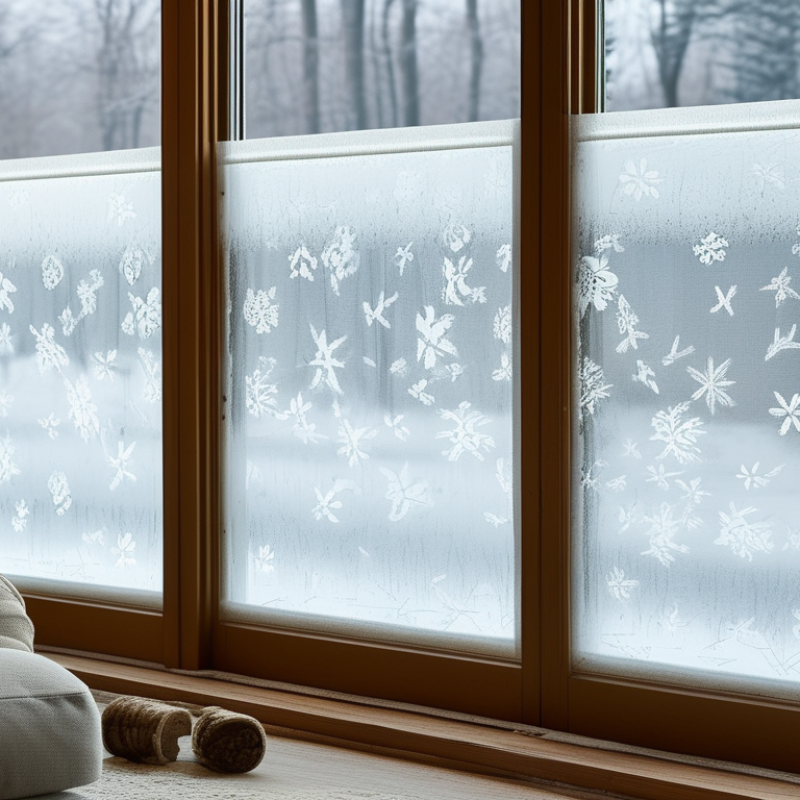
How to Insulate Doors and Windows for Cold Climates Effectively?

Identifying Common Draft Sources in Doors and Windows

Identifying common draft sources in doors and windows is crucial for maintaining energy efficiency in cold climates. Studies show that up to 30% of a home's heating can escape through these gaps. Common draft sources often include poorly sealed edges, worn weatherstripping, and ill-fitting doors that do not close tightly.

Inspecting the perimeter of your doors and windows is essential. Look for cracks in the frame and signs of wear in the weatherstripping. A simple test is to hold a candle or an incense stick near these areas. If the flame or smoke wavers, you have drafts. According to the U.S. Department of Energy, sealing these gaps can save the average homeowner up to 15% on heating costs.

Another common source of drafts is window air conditioning units in colder months. When not removed, air can flow around these units. Ensuring they are properly sealed or covered can further reduce cold air infiltration. While addressing these issues may require investment in materials or professional help, homeowners often overlook how much energy loss occurs through these seemingly minor gaps. Taking the time to identify and fix these drafts can significantly enhance comfort and reduce energy bills.

Materials Required for Effective Insulation

Insulating your doors and windows is crucial for staying warm in cold climates. To achieve effective insulation, specific materials can make a significant difference. Weatherstripping is a popular choice for sealing gaps around windows and doors. It comes in various forms, such as foam, rubber, or vinyl. Applying weatherstripping is simple and can drastically reduce drafts.


Foam board insulation is another excellent material for enhancing the insulation of windows and doors. It provides a high thermal resistance when placed over windows or inside door frames. While installing it, ensure a snug fit to avoid any air leaks. For those looking for a do-it-yourself solution, window film insulation kits are also available. These kits are easy to apply and create an additional barrier against cold air.


When insulating, pay attention to details. Ensure all corners and edges are sealed properly. Some gaps might be hard to find, and you might miss them. This oversight can undermine your efforts. Regularly inspecting your insulation materials is essential, as wear and tear can happen over time. Staying vigilant will help maintain the effectiveness of your insulation.

Step-by-Step Guide to Insulating Door Frames

To insulate door frames effectively, begin by identifying gaps and drafts. Use a flashlight during the evening. Shine it around the door frame to see if light escapes. This method reveals where insulation is needed.

Next, remove existing weather stripping. Carefully pry it off with a utility knife. Clean the surface to ensure a tight fit. Then, measure the door frame accurately. Purchase foam or felt weather stripping based on these measurements. Apply the new stripping smoothly, pressing firmly for the best adhesion.

Consider adding a door sweep at the bottom of the door. This simple device blocks cold air. Cut it to size and secure it with screws. If you notice uneven gaps, adjust the hinges. Tightening them can help improve the seal. Don't forget to check the frame for cracks. If found, fill them with a suitable caulk. Proper insulation of door frames enhances comfort and can reduce heating costs significantly.

Best Practices for Weatherproofing Windows

When addressing cold climates, weatherproofing windows is essential. Start by examining the existing frames for cracks or gaps. Caulking can effectively seal these openings. Use high-quality caulk to ensure a long-lasting seal. Pay attention to corners and joints, as these are common areas for air leaks.

Another method is applying weatherstripping. This material comes in various styles, such as adhesive-backed foam or V-strip. Choose the appropriate type for your window edges. Proper installation is critical. An imperfect fit can lead to airflow, which undermines your efforts. Remember that weatherstripping may need to be replaced occasionally for optimal performance.

Window film is another option that adds a layer of insulation. It can be applied directly to the glass surface. However, it might not provide complete insulation. Certain films can reduce glare but may not be perfect for all homes. Consider the pros and cons before installation. Regular inspections throughout the winter can help identify any new gaps or issues that might arise.

Additional Tips for Maintaining Insulation in Cold Climates

To maintain effective insulation in cold climates, focus on sealing gaps around doors and windows. Weather stripping is a simple yet effective solution. Research indicates that properly installed weather stripping can reduce energy loss by up to 20%. Make sure to inspect these seals regularly, as they can wear down over time. Even a small crack can allow cold air to seep in and raise heating costs.

Regular maintenance of window frames is crucial. Check for any signs of rot or decay, which can severely compromise insulation. Use caulk to seal any cracks or openings around the frames. This can improve thermal performance significantly. According to the Department of Energy, an average home loses 25% to 30% of its heating energy through windows. That’s a substantial loss that can easily be mitigated with diligent upkeep.

Consider adding storm windows for extra insulation. These can provide an additional layer of protection against extreme temperatures. However, keep in mind that they require their own maintenance. Dust and debris can accumulate, reducing their effectiveness. Regular checks can help you identify when replacements are necessary, ensuring your home remains warm and energy-efficient throughout the cold months.

FAQS

: What are common sources of drafts in doors and windows?

: Common sources include poorly sealed edges, worn weatherstripping, and ill-fitting doors.

How can I identify drafts in my home?

Use a candle or incense stick near door and window edges. If the flame or smoke moves, there are drafts.

What is the impact of drafts on heating costs?

Studies show drafts can cause up to 30% of heating loss, impacting energy efficiency significantly.

How can I insulate door frames effectively?

Check for gaps using a flashlight. Remove old weather stripping, measure, and apply new material tightly.

What materials can I use for weatherproofing windows?

High-quality caulk and various styles of weatherstripping like adhesive-backed foam or V-strip work well.

How often should weatherstripping be replaced?

Weatherstripping may need replacing occasionally to maintain a good seal and performance.

Can window film provide effective insulation?

Window film adds insulation but may not be perfect for every home. Consider pros and cons before applying.

What maintenance should be done during winter?

Regularly inspect windows and doors for new gaps. Address issues promptly to maintain insulation.

Conclusion

In exploring "How to insulate doors and windows for cold climates," it's vital to first identify common draft sources that can compromise energy efficiency. Many drafts originate from gaps around door frames and window edges, which can lead to increased heating costs during winter months. To effectively insulate these areas, gather necessary materials such as weather stripping, foam sealant, and insulating curtains.

The process includes a detailed step-by-step guide for properly sealing door frames, where applying appropriate weather stripping can significantly reduce air leaks. Additionally, best practices for weatherproofing windows involve installing window films and using thermal curtains. Regular maintenance and inspection of insulation materials are essential to ensure they remain effective in cold climates, thus maximizing comfort and energy savings throughout the winter season.

Liam

Liam

Liam is a dedicated marketing professional with a profound expertise in the industry, where he excels at highlighting the unique advantages of our core products. With a keen understanding of market trends and consumer needs, Liam frequently updates our company’s professional blog, providing......