Aura Mesh  Window Aura Mesh Window

10 Reasons Why Some Railings Rust Faster Than Others?

Time:2026-06-10 Author:Ethan
0%

Railings play a critical role in safety and aesthetics. However, a common issue arises: why do some railings rust faster than others? Understanding the reasons behind this phenomenon can help homeowners and builders select the right materials and finishes.

Several factors contribute to the varying rates of rusting in railings. Factors like the quality of metals used, exposure to moisture, and the presence of protective coatings are essential. Some railings, made with inferior materials, show significant corrosion over time. In contrast, higher-quality steel or aluminum can withstand the elements better.

Environmental conditions also matter. Coastal areas expose railings to salt, speeding up rusting. Some coatings might be poorly applied or wear off faster, leaving the metal unprotected. This inconsistency underscores the importance of making informed choices when selecting railings. It is a complex issue, but understanding it can lead to better maintenance and longer-lasting installations.
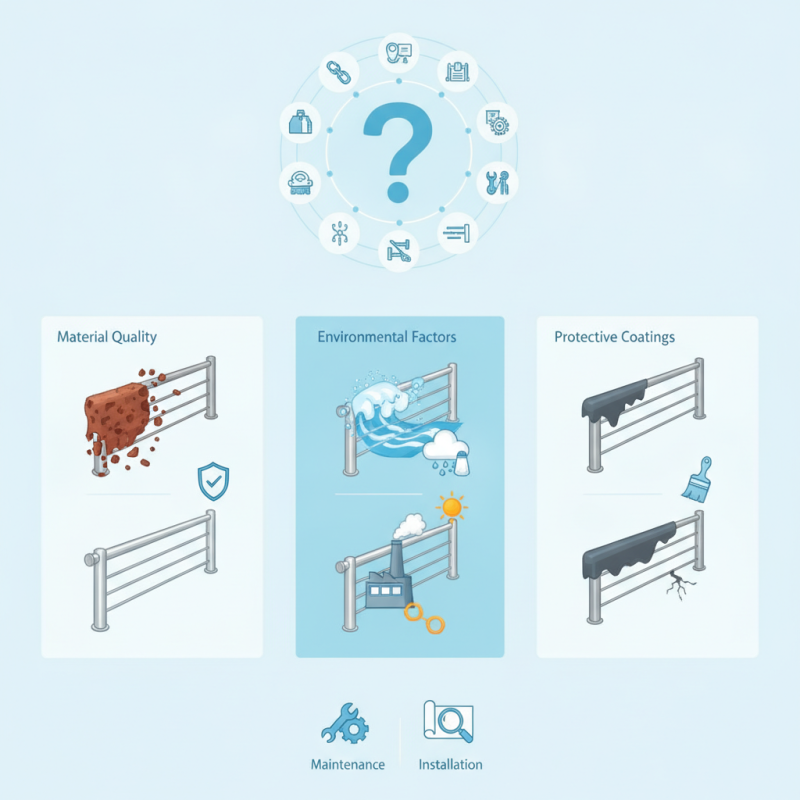
10 Reasons Why Some Railings Rust Faster Than Others?

Factors Influencing the Corrosion Rate of Railings

When considering railings, the corrosion rate is a key concern. Several factors influence how quickly railings can rust. Environmental conditions play a significant role in the speed of corrosion. Areas near saltwater or heavy pollutants see faster degradation. High humidity can exacerbate rust, while dry climates may slow it down.

Material composition is another critical factor. Steel railings may contain varying levels of alloyed metals. These alloys impact rust formation. Additionally, the surface finish can either protect or expose the metal. Powders and coatings can ward off corrosion, but they can wear away over time.

**Tip:** Regularly inspect railings for any signs of damage. Small scratches can become large rust spots.

Another factor is maintenance. Neglecting to clean railings can lead to a buildup of dirt and grime. This accumulation holds moisture against the metal, speeding up the rust process.

**Tip:** Use a soft brush to clean railings periodically. A simple soap solution can help remove harmful elements.

Understanding these factors can improve railing longevity. It's essential to be proactive, noting that both environment and care matter significantly.

Material Composition and Its Impact on Rust Formation

The material composition of railings significantly affects their rust formation. Steel railings, for example, often rust faster than aluminum ones. This is primarily due to the presence of iron in steel. When exposed to moisture, iron reacts with oxygen, leading to rust.

Coatings play a vital role too. Railings with protective coatings resist rust better. However, if the coating wears off or gets scratched, the underlying metal becomes vulnerable. It's a cycle that many overlook. Regular maintenance is crucial, yet many people forget this step.

Environmental factors also matter. Areas with high humidity or salt exposure face more rapid rusting. This highlights the importance of choosing the right material for specific environments. Understanding these nuances helps in making informed choices. Rust is preventable, but it requires attention and care from the user.

10 Reasons Why Some Railings Rust Faster Than Others?

Material Type Chemical Composition Corrosion Resistance (Rating) Environmental Exposure Average Rust Rate (mm/year)
Mild Steel Low Carbon (0.05-0.25% C) Low (1) Urban Environment 1.5
Stainless Steel Chromium (10.5%+), Nickel (8-10%) High (5) Marine Environment 0.1
Aluminum Al (>99%) Moderate (3) Industrial Environment 0.5
Galvanized Steel Zinc Coating Moderate (4) Rural Environment 0.3
Cast Iron Carbon (2-4%), Silicon (1-3%) Low (2) Urban Environment 1.2

Environmental Conditions Contributing to Faster Rusting

Environmental conditions play a crucial role in determining how quickly railings rust. One significant factor is humidity. Areas with high humidity levels promote rust formation. Moisture in the air creates a conducive environment for oxidation. Salt in coastal regions exacerbates this issue. Saltwater accelerates the corrosion process, leading to faster deterioration.

Temperature fluctuations also contribute to rusting. Rapid changes from hot to cold can cause metal to expand and contract. This process can create tiny cracks in protective coatings, letting moisture seep in. Moreover, pollutants in the air can further accelerate rusting. Industrial areas often have airborne particles that interact negatively with metals.

Surface conditions matter too. Rough or scratched surfaces are more susceptible to rust. They lack the protection that smooth surfaces provide, allowing moisture to settle. Regular maintenance is essential to extend the life of railings. Ignoring signs of wear can lead to costly replacements. Being aware of these factors can help in making informed choices about materials and maintenance practices.

10 Reasons Why Some Railings Rust Faster Than Others

Protective Coatings and Their Effectiveness Against Corrosion

Protective coatings play a crucial role in preventing railings from rusting. These coatings create a barrier that limits moisture exposure. High-quality coatings can withstand harsh weather. However, not all coatings are created equal. Some may wear off quickly, leaving metal vulnerable. A railing without proper protection quickly succumbs to rust.

Several factors affect the effectiveness of these coatings. The application process matters significantly. A poorly applied coating may peel or chip off easily. Environmental conditions also influence durability. UV exposure and saltwater can degrade coatings faster. Regular maintenance can extend the life of protective layers. Yet, many overlook this necessity. Ignoring minor wear can lead to significant damage over time.

In understanding railings and rust, awareness of the coating is vital. Investing in better coatings can save money in the long run. But even the best materials require care. A proactive approach is always better than a reactive one. Rust never sleeps, and neither should your maintenance routine.

Maintenance Practices That Can Extend Railing Lifespan

Maintaining railings is crucial for their longevity. Regular inspections can help identify rust early. Look for signs of corrosion, such as discoloration or flaking paint. These indicators show that repair might be needed soon. Often, homeowners neglect this simple check, leading to faster deterioration.

Cleaning is another key aspect of maintenance. Remove dirt and debris frequently. Use a mild detergent and water for this purpose. High-pressure washing can damage some materials, so use caution. Applying protective coatings can also thwart rust development. A quality sealant creates a barrier against moisture. However, these protective measures require periodic reapplication.

Grassroots knowledge often goes unnoticed. Many people overlook the importance of location. Railings near water or in humid climates tend to rust quicker. Slope and drainage can also impact how much moisture remains on railings. By keeping these factors in mind, proactive strategies can be applied. Simple maintenance can go a long way in extending the lifespan of railings. If these practices are ignored, the result is often costly repairs that could have been avoided.

FAQS

: What environmental factors contribute to rusting?

: Humidity, temperature fluctuations, and air pollutants can significantly increase rusting rates.

How does humidity affect rust formation?

High humidity levels create moisture in the air, promoting oxidation and faster rust formation.

Why is saltwater a problem for railings?

Salt accelerates corrosion, especially in coastal regions. It can lead to quicker deterioration of metal.

What surface conditions make railings more susceptible to rust?

Rough or scratched surfaces are more vulnerable, as they allow moisture to settle in.

How can regular maintenance extend the life of railings?

Regular inspections help identify rust early, preventing costly repairs from neglected wear.

What should I look for during a railing inspection?

Check for discoloration, flaking paint, or any signs of corrosion that indicate repair needs.

How often should I clean my railings?

Regularly clean railings to remove dirt and debris. Use mild detergent and avoid high-pressure washing.

What protective measures can be taken against rust?

Applying quality sealants forms a moisture barrier, but they need to be reapplied periodically.

How does location impact railing maintenance?

Railings near water or in humid climates rust faster, so special attention is needed in these areas.

What can happen if maintenance is neglected?

Ignoring wear can lead to rapid deterioration, resulting in expensive replacements that could have been avoided.

Conclusion

In exploring the question of "Why do some railings rust faster than others," several key factors come into play. The material composition of the railing plays a crucial role, as different metals exhibit varying resistance to corrosion. For instance, iron and its alloys tend to rust more quickly than stainless steel. Environmental conditions, such as humidity, salt exposure, and pollution, further exacerbate the rusting process.

Moreover, the effectiveness of protective coatings cannot be overlooked; those that are well-applied can significantly slow down corrosion, while inadequate coatings may leave the metal exposed. Lastly, regular maintenance practices, such as cleaning and inspection, can extend the lifespan of railings by identifying and addressing issues before they lead to significant rusting. Understanding these elements helps in mitigating corrosion and preserving railings in various settings.

Ethan

Ethan

Ethan is a seasoned marketing professional with a deep expertise in our company's innovative product line. With a passion for sharing knowledge and insights, he takes the lead in regularly updating our corporate blog, where he explores industry trends, product features, and effective marketing......