Aura Mesh  Window Aura Mesh Window

How to Reduce Noise Through Doors and Windows Effectively?

Time:2026-05-11 Author:Henry
0%

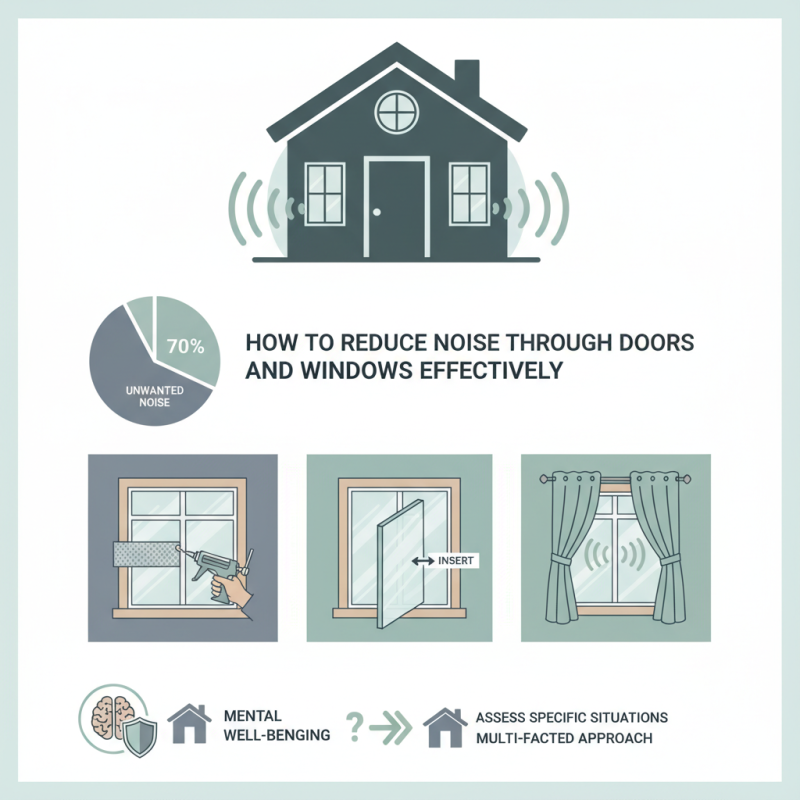
Noise pollution has become a significant concern in urban environments. According to the World Health Organization, excessive noise can negatively impact mental health and well-being. Many people seek solutions for quieter living spaces. "How to reduce noise through doors and windows" is a common question homeowners face.

Effective soundproofing is essential. According to Acoustic Engineering reports, approximately 70% of unwanted noise enters through these openings. Solutions exist but vary in effectiveness. Sealants, soundproof window inserts, and heavy drapes can help, yet results differ based on materials and installation quality.

Not every method will suit every home. Each environment presents unique challenges. Homeowners must assess their specific situations. They might find that a multi-faceted approach is necessary. This reflects the complexity of sound reduction efforts in residential settings. Understanding individual needs is crucial for achieving the desired peace and quiet.
How to Reduce Noise Through Doors and Windows Effectively?

Identifying Common Sources of Noise in Homes

Noise pollution is a widespread issue in many homes. Understanding the common sources of noise can help identify solutions. Street traffic is a major contributor. The sound of cars, buses, and motorcycles can penetrate windows and doors, creating a constant disturbance. In bustling urban areas, even minor sounds can escalate into a pervasive murmur that fills living spaces.

Internal noise sources also deserve attention. Appliances, such as dishwashers and washing machines, can generate significant sound. They operate at different frequencies, disrupting the peaceful ambiance at home. Footsteps from upstairs neighbors may also create unwanted vibrations. Being aware of these factors is the first step in managing noise effectively.

Homeowners often underestimate the impact of quieting measures. Simple adjustments, like weatherproofing doors and caulking windows, can reduce noise entry. Investing in soundproof curtains or rugs may also help absorb sound. However, results vary based on the home’s design and materials used. Each space presents unique challenges that require tailored strategies for noise reduction.

Evaluating the Effectiveness of Existing Doors and Windows

Evaluating the effectiveness of existing doors and windows is crucial for noise reduction. Many homes still have older models that do not block sound effectively. Simple tests can help measure how much noise enters through these openings. Stand in a quiet room and make a noise outside. Notice how much sound seeps in. If you hear too much, improvements are necessary.

Next, check the materials of your current doors and windows. Solid wood doors often provide better insulation than hollow ones. Double-glazed windows offer reduced noise transmission compared to single-pane. If your windows rattle, that means outside noise can easily come through. Alternatively, weather stripping can help seal gaps. However, it may not fully eliminate noise.

Consider the overall design of your home, too. Open layouts can amplify sound. Closed doors and strategic furniture arrangement can make a difference. Examine your living space carefully. Take notes on which areas seem louder. This awareness can guide your choices in addressing sound issues. Reducing noise isn't just about products; it’s also about understanding your environment.

Choosing Soundproofing Materials for Doors and Windows

Choosing the right soundproofing materials for doors and windows is crucial for reducing unwanted noise. Many people experience disturbances from outside, whether it's traffic, conversations, or other noises. Effective soundproofing can create a more peaceful living environment.

When selecting materials, consider density and mass. Heavy curtains are better than lightweight ones. They absorb sound waves effectively. Another option is acoustic panels. These can be applied to doors or placed near windows. They block noise and enhance the room’s aesthetics. Foam seals are also valuable. They fill gaps around windows and doors, providing better insulation.

However, it’s important to acknowledge that no solution is perfect. Some noise may still seep through. Also, installation can be challenging for some materials. DIY solutions may not always yield the desired results. Sometimes, professional help is needed to achieve optimal soundproofing. This can add to the costs and complicate the process. Always evaluate your specific needs and budget before making choices.

Noise Reduction Effectiveness of Different Soundproofing Materials

Implementing Soundproofing Techniques for Optimal Results

Reducing noise through doors and windows can significantly improve your home’s tranquility. Applying soundproofing techniques involves practical strategies that can transform your living space into a peaceful retreat. Begin with sealing gaps around doors and windows. Use weather stripping or caulk to close any openings. This simple step can reduce noise infiltration effectively.

Adding heavy curtains or soundproof blinds is also beneficial. They create a barrier that absorbs sound waves. Layering materials, like acoustic panels, on walls can enhance this effect. Sometimes, finding the right solution takes time and experimentation. Consider the placement of furniture. Bookshelves or upholstered pieces can help diffuse sound.

Overall, achieving optimal results requires patience. You may need to try different combinations of methods before finding what works best. Soundproofing is not always a quick fix. Documenting your progress can help identify what makes a difference. Embrace the process. It's about creating a serene environment tailored to your needs.

Maintaining and Upgrading Soundproofing Solutions Over Time

Maintaining soundproofing solutions requires regular assessment. Daily wear and tear can lead to decreased performance. Check seals around doors and windows. If gaps appear, consider replacing weather stripping. This small step can significantly reduce noise infiltration.

Upgrading soundproofing can involve various materials. Acoustic panels are effective for indoor noise control. Ensure they are placed strategically. Soundproof curtains can also be useful. However, they may require cleaning and replacement over time. Evaluate their condition periodically.

Considerations for improvement include insulation. Older insulation may not block sound as effectively. Upgrading to better materials may require an investment. Reflect on the benefits versus costs. Balancing quality and budget can be challenging. The goal is a quieter, peaceful living environment.

FAQS

: Why is evaluating existing doors and windows important?

: It helps identify how well they block noise and if improvements are needed.

How can I test noise levels in my home?

Stand in a quiet room and make noise outside. Notice how much sound enters.

What materials provide better sound insulation?

Solid wood doors and double-glazed windows are more effective than hollow or single-pane options.

What should I do if my windows rattle?

Rattling indicates noise can enter. Weather stripping may help, but may not fully resolve the issue.

How can home design impact noise levels?

Open layouts can amplify sound. Closed doors and strategic furniture can help reduce noise.

What are some effective soundproofing materials?

Heavy curtains, acoustic panels, and foam seals can effectively absorb sound and fill gaps.

Can soundproofing methods be challenging to implement?

Yes, installation can be complex, and DIY solutions may not always work. Professional help might be needed.

Is soundproofing a guaranteed solution?

No, some noise may still enter, and finding the right methods may take time and experimentation.

How can I document my soundproofing progress?

Keep notes on what techniques you try and their effects on noise levels in your home.

What mindset should I have while soundproofing?

Be patient and embrace the process. It's about creating a peaceful and personalized environment.

Conclusion

In the quest to understand "How to reduce noise through doors and windows," it is essential to first identify common sources of noise within the home, such as traffic, outdoor activities, or appliances. Evaluating the effectiveness of your existing doors and windows is a crucial step; this assessment will help you pinpoint potential weaknesses in sound insulation.

Next, selecting appropriate soundproofing materials tailored to your specific needs can significantly enhance your noise reduction efforts. Implementing proven soundproofing techniques, like sealing gaps, adding mass to doors, or using specialized window treatments, will yield optimal results. Lastly, maintaining and upgrading your soundproofing solutions over time ensures that your home remains a quiet sanctuary, safeguarding it against the intrusion of unwanted noise.

Henry

Henry

Henry is a dedicated marketing professional with a profound expertise in the company's offerings. With years of experience in the industry, he possesses an impressive understanding of the market dynamics and consumer behaviors that drive success. Henry is committed to sharing his insights through......