Aura Mesh Window
Aura Mesh Window
Aura Mesh Window
Explore our high-performance structural systems, specialized building insulation, and robust parking solutions custom engineered for international compliance and extreme weather exposure.
In B2B exterior renovation procurement, supply chain friction typically originates from three major factors: lack of localized regulatory alignment, uncoordinated transport systems causing damage to fragile architectural glass or structural profiles, and failure to meet building-code-mandated insulation metrics (such as U-factors or R-values). When general contractors and real estate developers upgrade building envelopes, they seek integrated manufacturing partners capable of balancing raw material cost optimization with strict structural performance.
As a leading China-based manufacturer, our industrial footprint addresses these requirements directly. By integrating specialized custom processing of tempered safety glass, high-resistance thermal insulation systems, and precision-extruded aluminum fences, we simplify multi-category procurement. Our dedicated engineering desk ensures that every fenestration package or structural cladding element arrives at the job site backed by verified calculations, structural wind-load simulations, and clear installation guides designed for local workforces.
Jiangxi Province, and specifically the industrial cluster of Anyi County in Nanchang, is recognized globally as an epicenter of architectural aluminum manufacturing. This regional specialization translates into deep systemic efficiencies for international projects. Rather than acting as a simple assembler, our facility operates as a vertically integrated ecosystem. By controlling operations from raw aluminum billet processing to advanced automated surface treatments, we insulate our clients from global supply shocks.
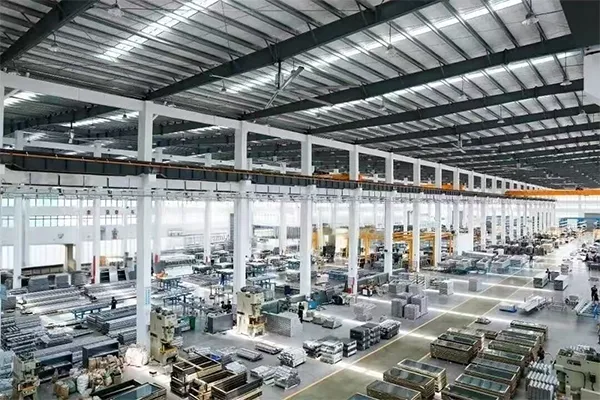
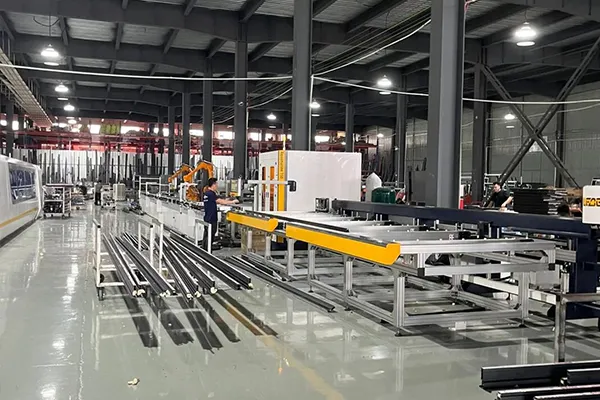
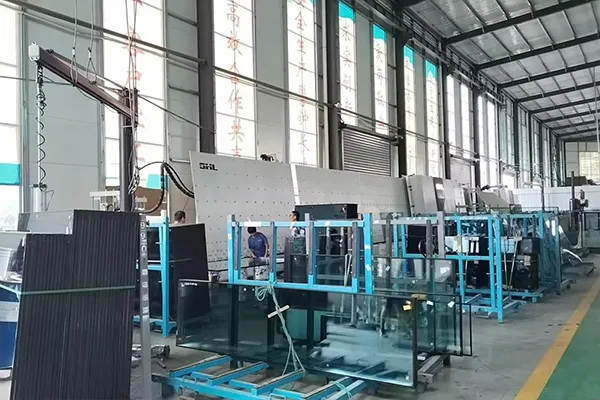
We operate 6 glass lines, 8 door/window lines, and 4 high-capacity fence fabrication lines. By keeping processing under one management system, we eliminate secondary handling fees and avoid lead-time delays common among intermediate sourcing agents.
Out of 150 permanent factory staff, 45 are dedicated structural and manufacturing engineers. Every project is assigned a specific lead engineer to produce optimized CAD/BIM shop drawings, custom extrusion dies, and physical load calculations.
With an annual export value exceeding US$8 million to over 100 countries, we maintain specialized packaging protocols. Large-format tempered glass and heavy aluminum extrusions are packed in bespoke heavy-duty steel-reinforced A-frame crates, minimizing in-transit shock damage.
Building envelopes must comply with diverse regional building regulations. For instance, the European market demands strict compliance with CE directives for fenestration systems, whereas North American developers require ASTM fire resistance validation and NFRC thermal performance ratings. Our engineering teams cross-reference every export design against these local mandates before fabrication.
For high-rise retrofits, wind load deflection calculations (L/175 limits) dictate the depth of the structural aluminum profiles. By simulating localized wind-shear forces using FEA (Finite Element Analysis) software, our engineering department ensures that our aluminum clad wooden windows and curtain wall components provide the structural resistance required in hurricane zones, coastal areas, and seismic regions.
Our company has established a comprehensive trajectory from a regional fabricator to a global manufacturer of advanced building envelope solutions. Below is the historical timeline of our strategic growth and capital improvements:
The company was founded in Anyi County, Nanchang City, Jiangxi Province. We began as a manufacturing factory integrating research and development, and professional deep processing of glass, doors, windows, and aluminum fences.
In its early stages, the company mainly engaged in the trade, custom processing, and sales of various industrial and architectural aluminum profiles and door and window accessories. With steady business development, we accumulated customer resources and a deep market understanding.
The company extended downstream in the industrial chain, expanding business from single profile trading and processing to the research, design, and production of all-aluminum home furnishings. This strategic expansion seized the growing market opportunity for environmentally friendly and durable all-aluminum home furnishings.
Today, the company has developed into a comprehensive industrial and trading enterprise integrating industrial aluminum profiles, all-aluminum home furnishings, system doors and windows, and high-end door and window accessories, expanding its national and international market through omni-channel integration.
Through active capital investment, we have built a modern facility covering 30,000 square meters. The plant contains 6 specialized glass production lines, 8 high-capacity door and window lines, and 4 dedicated fencing fabrication setups. Currently, our workforce of 150 employees includes 45 engineers who develop customized designs, construction plans, and installation guides for clients worldwide. Our main export regions include Africa, Asia, Australia, and the Americas, shipping to more than 100 countries with an annual export value exceeding US$8 million.
Modern building upgrades require product systems designed for distinct climate zones and architectural typologies. We design and deliver custom solutions tailored to specific project requirements:
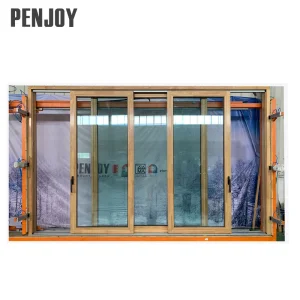
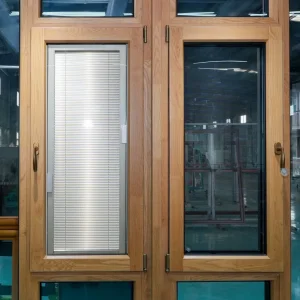
In high-wind coastal environments, window systems face intense wind loads and salt-spray corrosion. Our high-protective aluminum-clad wooden casement windows offer exterior aluminum shields to resist salt corrosion, paired with multi-layer tempered safety glass to withstand high winds.
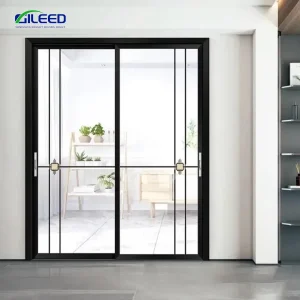
For commercial retrofits in cold climates, reducing thermal bridging is critical for energy code compliance. Utilizing our cost-effective foam board insulation and double-glazing sliding doors with argon fills significantly lowers the overall building U-factor, minimizing heat loss and energy consumption.
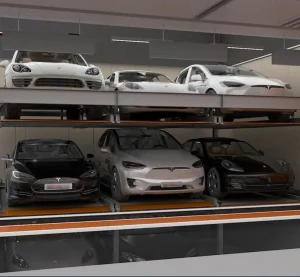
In dense urban centers, renovation plans often face spatial limitations. Our CE-certified multi-level automatic pit puzzle parking systems allow developers to utilize underground spaces or open lots efficiently, creating multi-tiered parking capacities without expanding the building footprint.
The exterior renovation sector is transitioning toward high-performance materials and circular economy compliance. Under the influence of strict carbon-emission regulations, the industry is prioritizing thermal envelope efficiency, long-term durability, and low embodied carbon.
In addition to sustainability, modular construction and pre-engineered envelope systems are growing rapidly. Pre-engineered assemblies, including pre-glazed window units, modular fencing packages, and quick-install waterproof ceiling systems, allow onsite construction teams to minimize assembly errors, reduce labor hours, and lower overall project costs.
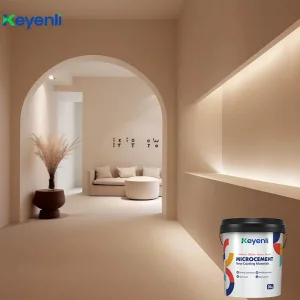
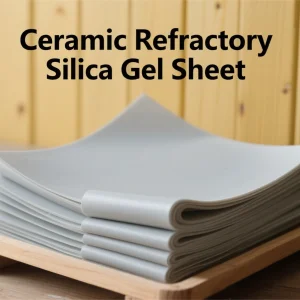
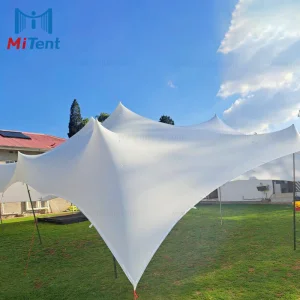
Explore our specialized micro-cement finishes, extreme-temperature foam boards, energy-efficient glazing panels, and outdoor structural tent components.