Aura Mesh Window
Aura Mesh Window
Aura Mesh Window
The boundary between interior living and nature is dissolving. Modern global design demands high-performance materials, automation, and structural flexibility to engineer resilient outdoor sanctuaries.
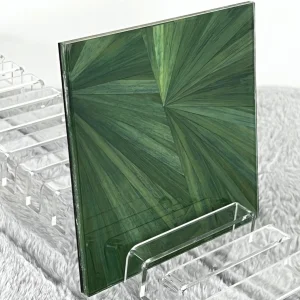
Structural engineering now prioritizes systems that embed natural components. Using materials like wheat straw laminated glass decorative panels bridges structural integrity and raw biophilic aesthetics, reflecting modern occupant desires for organic harmony.
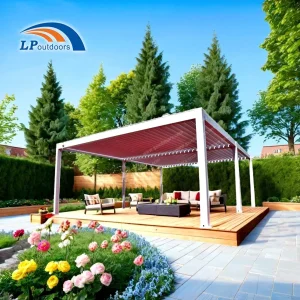
Motorized structures have shifted from high-end luxuries to standard expectations. Dual-axis adjustable louvered pergolas and motorized retractable pool covers allow structures to adapt to variable weather conditions, maximizing spatial utility and minimizing energy losses.
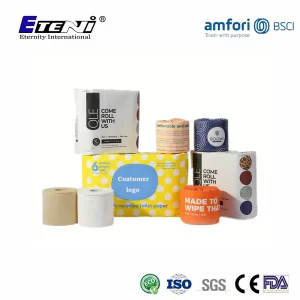
Resource stewardship drives design choices. Sourcing low-impact architectural elements—such as fast-growing bamboo fibers for sanitary applications or highly recyclable structural aluminum—helps developers hit LEED, BREEAM, and DGNB project standards.
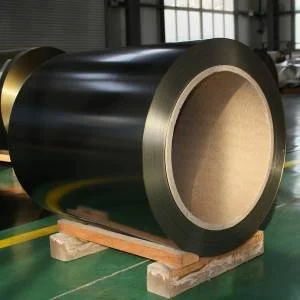
Traditional outdoor construction heavily relied on pressure-treated timber and basic masonry. Modern engineering data indicates that switching to powder-coated 6063-T6 architectural-grade aluminum alloys coupled with structured safety glass and high-grade polymers (like NBR & FKM coatings) extends structural lifespan by over 250% while mitigating the VOC emissions and chemical degradation associated with treated wood.
Navigating international supply chains for bulky, high-value architectural systems requires a clear understanding of compliance, raw material costs, and logistical protection frameworks.
Commercial developers, architectural studios, and high-volume exporters look for more than just off-the-shelf inventory. They need highly customized physical dimensions, calculated wind and snow loads, specific thermal insulation values (U-factors), and robust corrosion resistance profiles.
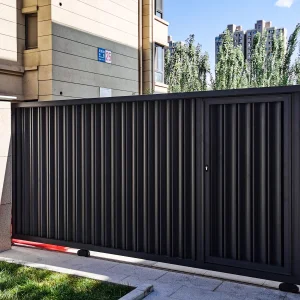
Whether specifying customizable glass facades for high-rise buildings, selecting motorized aluminum pergolas, or sourcing durable metal gates, matching structural design with local building codes (like IBC in the US or Eurocodes in Europe) is critical to preventing project delays and compliance failures.
From a local aluminum profiles fabricator to a global manufacturer of custom residential and commercial outdoor structures.
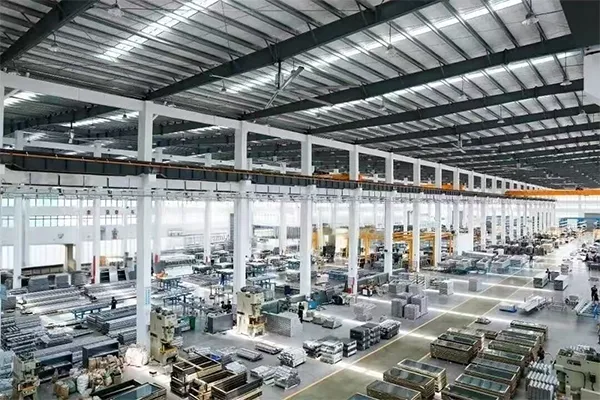
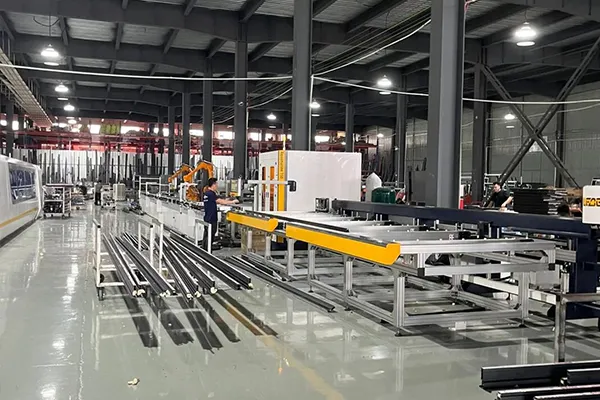
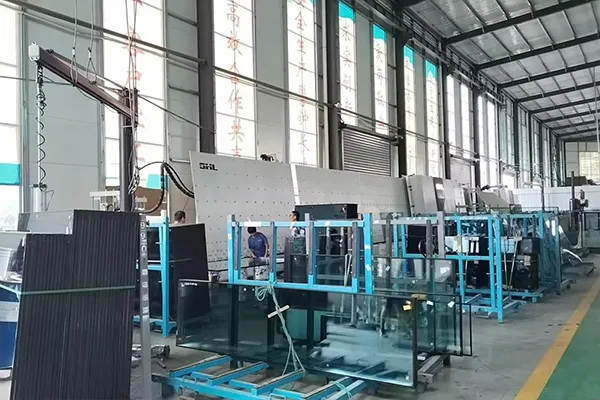
Established in 2015 in Anyi County, Nanchang City, Jiangxi Province, our manufacturing center has grown into a modern facility covering 30,000 square meters. We operate an integrated industrial setup with specialized production capacities:
Our workforce of 150 employees includes 45 dedicated engineers. These engineers support global clients with structural load calculations, localized CAD layouts, shop drawings, product R&D, and complete installation guides. We assign a dedicated engineer to every order to make sure the structural and visual details align with local project goals.
Our logistical safety measures are designed around protecting fragile goods. Backed by a professional transport team and custom heavy-duty steel A-frame glass shipping racks, we significantly reduce shipping damage. This has helped us scale our global market, reaching over 100 countries across the Americas, Europe, Asia, Australia, and Africa, with an annual export value exceeding US$8 million.
Founded in Anyi County, Jiangxi. We started as an industrial and architectural aluminum profiles trader and fabricator, focusing on standard extrusions and system door/window accessories. During this period, we established our basic supply chains and built a strong understanding of metallurgical standards.
We expanded operations into all-aluminum home furnishings and structural systems. Moving downstream allowed us to directly design and fabricate complete products, meeting the growing market demand for water-resistant, durable, and insect-proof outdoor architectural elements.
Today, we operate as a comprehensive industrial exporter. Our catalog spans custom architectural glass facades, automated outdoor pavilions, pre-engineered steel workshops, and high-performance safety barriers, serving residential and commercial projects worldwide.
Custom architectural elements need to balance visual impact with structural safety. Below is an engineering overview of our primary product applications.
We design motorized aluminum louvers that handle up to 120 kg/m² of snow load and 117 km/h wind speeds. Integrated internal gutters channel rainwater away, and automated sensors adjust the louvers to optimize solar shading and natural ventilation.
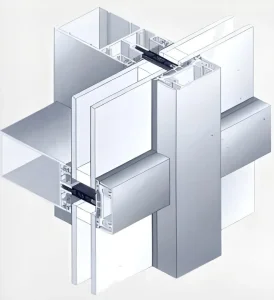
We manufacture double and triple-glazed Low-E panels, structural silicone glazing (SSG) for facades, and organic-core laminated safety glass. These systems improve thermal insulation, lower U-values, and meet standard impact safety codes.
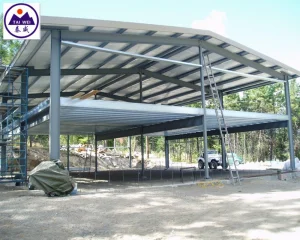
Designed to EN 1090 standards, our structural steel frameworks feature high-grade anti-corrosion painting. These modular frame kits are optimized for simple on-site assembly, making them suitable for warehouses, workshops, or large-span outdoor facilities.
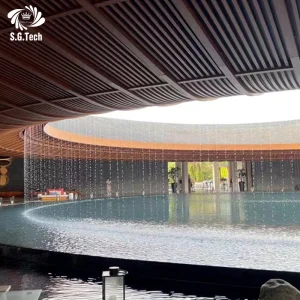
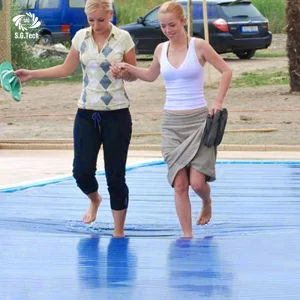
Our motorized safety pool covers are engineered to provide thermal insulation and physical fall protection. By combining extruded aluminum slats with UV-stabilized PVC/polycarbonate profiles, these covers minimize water evaporation by up to 90% and reduce heat loss during cool nights.
Our engineering team works directly with clients to meet regional building codes, ensuring smooth project handovers and building approvals.
We test and manufacture our structural systems to comply with leading international quality and safety benchmarks:
Understanding that proper installation is key to structural safety, our engineering department provides detailed support assets for every export order:
Our R&D efforts are focused on developing smart, adaptive, and low-carbon architectural solutions for modern outdoor spaces.
We are increasing our use of circular bio-composite materials, such as straw fibers and recycled timber, within structural aluminum frameworks to reduce the carbon footprint of our outdoor products.
We are developing Building Integrated Photovoltaics (BIPV) for pergolas and pavilions. This allows structural glass and roofing louvers to generate clean power for connected outdoor lighting, motors, and heating systems.
We are introducing smart environmental sensors that track local changes in temperature, wind speed, and rain. Connected controls automatically adjust structural louvers, gates, and pool covers to maintain safety and comfort.
Common questions and answers regarding procurement, engineering customization, and international logistics.