Aura Mesh Window
Aura Mesh Window
Aura Mesh Window
Pioneering elements enabling structural insulation, climate barrier, and secure smart integration frameworks.
To the global real estate developer, general contractor, and technology integrator, **Smart Home Integration** has moved far beyond modular software layers and plug-and-play IoT devices. In the current paradigm of sustainable building technologies, true smart integration starts with the physical **building envelope and structural subsystem**. Smart motorized shading, thermo-regulated glazing systems, architectural aluminum frames, automated ingress portals, and solar-active modular structures form the physical-cyber interfaces necessary for high-performance home automation.
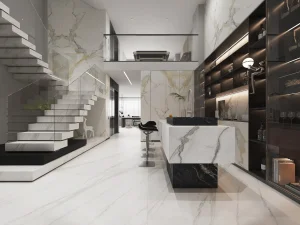
Utilizing high-density architectural porcelain, argon-filled glass layers, and thermal-break profiles to maximize HVAC efficiency within integrated smart climate zones.
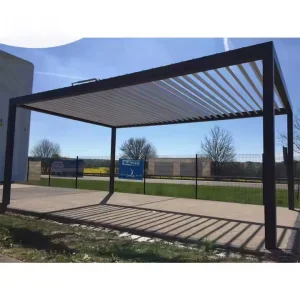
Engineered motorized aluminum pergolas and sensor-driven ventilation shutters that dynamically adapt to external solar radiation and precipitation triggers.
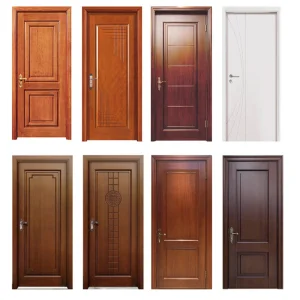
Heavy-duty structural pivot doors and access portals built to integrate directly with biometric access controllers, IP CCTV hubs, and central smart monitoring relays.
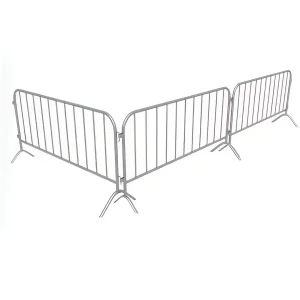
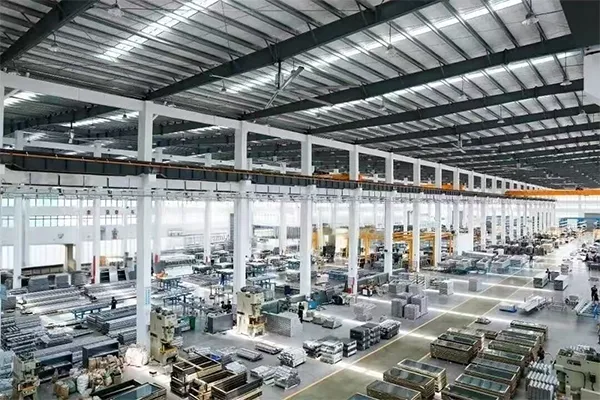
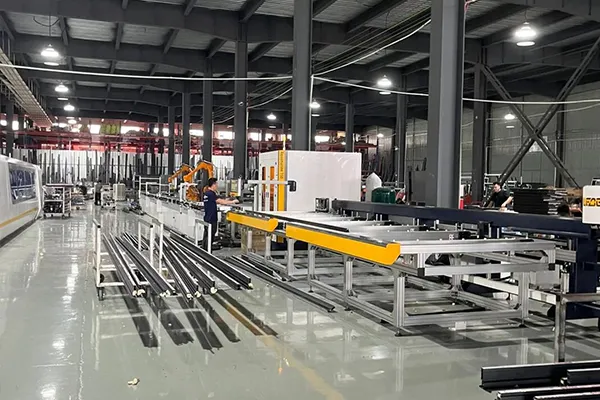
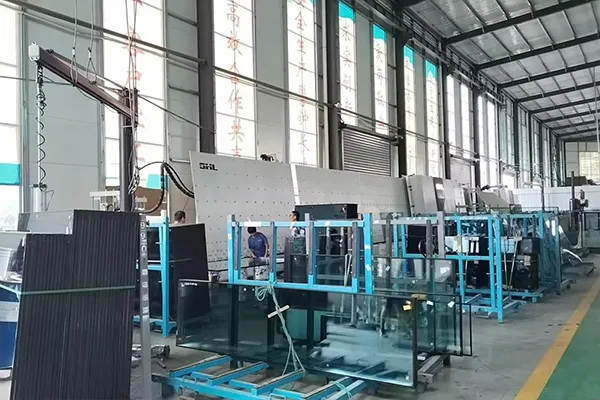
Established and founded in Anyi County, Nanchang City, Jiangxi Province, our manufacturing plant began as a specialized engineering and deep-processing center for glass, building systems, doors, windows, and perimeter safety barriers. Over the past decade, we have scaled our production capabilities into a state-of-the-art 30,000 square meter facility hosting 6 glass production lines, 8 automated system door/window lines, and 4 advanced steel and aluminum fence fabrication lines.
Recognizing the macro-shift from basic structural materials to cyber-physical smart buildings, our team transformed. From a local profile supplier in 2015, we leveraged our deep expertise in high-grade aluminum fabrication and glass coating to pioneer integrated structures—specifically engineered for **Smart Home Integration**. Today, with an annual export volume exceeding US$8 million across 100+ nations, our engineering unit of 45 specialists designs components that interface seamlessly with international IoT frameworks.
Years Engineering Experience
Sqm Production Facility
In-House R&D Engineers
Export Countries & Regions
How we align physical building infrastructure with the evolving standards of IoT and ambient computing.
As a premier smart home integration exporter, our technical development roadmap focuses heavily on the structural intersections of physical architectural elements with IoT automation standards. We recognize that the future of intelligent dwellings rests on zero-latency, protocol-agnostic physical controllers working in tandem with building envelopes.
Designing built-in cavities and pre-wired conduits in system windows, doors, and pergolas that accept standardized Matter-compliant motors and Zigbee/Z-Wave controllers without structural modifications.
R&D in low-voltage active smart tinting glass modules. Our future lines plan to incorporate built-in sensors that adjust opacity levels directly relative to UV and temperature sensors on local smart thermostats.
Integrating Photovoltaic (BIPV) technology into structural facades and aluminum louvers. Generating localized energy storage capacity to power motorized shades, rain-sensing pergolas, and auxiliary IoT gateways.
Operating from Anyi County, Jiangxi—a globally recognized epicenter for architectural aluminum profile extrusion and glass finishing—our facility utilizes deep localization of supply inputs to optimize product lead times and structural engineering limits. By concentrating raw aluminum processing, multi-layer glass laminating, precision metal CNC work, and assembly line validation in a single ecosystem, we minimize supply line vulnerability.
Developing hardware-software physical frameworks suited for global projects, smart communities, and commercial builds.
Providing hotels with customized motorized pergolas, high-performance sound insulation partitions, and automated patio entryways. These units coordinate with in-room energy management keycards to enter eco-saving standby modes when unoccupied.
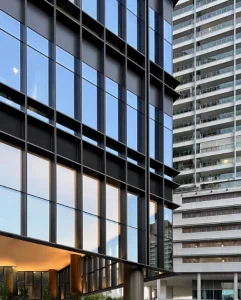
Delivering unified exterior envelopes: matching aluminum facades, automated pivot entry systems, and integrated double-laminated glazing. Every window profile features concealed cabling paths for structural intrusion alarms and climate feedback sensors.
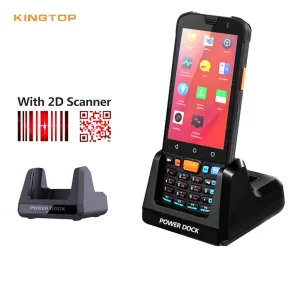
Optimizing smart global supply chains with hardware integration such as industrial logistics PDAs. Ensuring field logistics operations, freight staging, and container seals stay online and trackable during international transit.
To qualify as an elite smart home integration exporter, our technical drawing offices and compliance labs strictly audit international building codes and electrical standards. We understand that architectural materials must not only look aesthetically premium but also withstand severe local climatic loads and pass dynamic structural certification tests.
We guarantee international code compliance across various jurisdictions:
B2B buyers, smart technology integrators, and procurement agents look for more than just off-the-shelf catalog products. The primary purchasing intent is customizability, consistent batch-to-batch quality, and engineering accountability. With our team of 45 engineers, each project is assigned an interface specialist who designs full Shop Drawings, wind load reports, and electrical integration guides. This bridges the gap between hardware engineering and site installation.
By supplying both architectural components (curtain walls, louver systems) and consumer/industrial integrations (smart motorized hardware, logistics PDAs), we offer an expansive procurement scope that streamlines project supply chains and drives down structural integration costs.
Key procurement and integration questions answered by our engineering and logistics specialists.
Our structural aluminum systems (doors, windows, motorized pergolas) are designed with internal dry-cavities and pre-routed paths. This allows installers to deploy motors, electromagnetic lock sets, magnetic safety sensors, and local automated actuators without compromising structural seals or violating fire codes.
Depending on your market requirements, we process laminated and tempered glass in accordance with international safety certifications including SGCC (North America), CE EN 12150 (Europe), and AS/NZS 2208 (Australia/New Zealand). All certifications are issued after testing for impact resistance, optical distortion, and thermal stress durability.
Yes, our in-house engineering team designs and manufactures customized extrusion dies at our Jiangxi production facility. Once the CAD drawings are approved by the client, we run pilot test extrusions to verify wall thickness, weight-bearing limits, and powder-coat finish adherence before launching mass production.
Fragile items (curtain walls, structural glass, heavy system doors) are packed using protective cork separation pads, moisture-resistant industrial wrap, and heavy-duty, close-sided wooden crates or steel-framed cradles. This keeps glass and metal stable and secure during sea transit and port handling.
Standard tooling and sample approvals are completed within 10 to 14 working days. Mass manufacturing for container orders takes 25 to 35 days, depending on custom features, special finishes, and design requirements. We provide real-time updates from our factory floor to ensure clear project staging.
Yes, our engineering team provides full drawing support, including comprehensive CAD, structural glass analysis, wind pressure calculations, and joint detail design. This documentation is structured to help you get approvals from local building regulators and structural engineers.
From smart logistics terminals to architectural glass assemblies and safety enclosures.