Aura Mesh Window
Aura Mesh Window
Aura Mesh Window
High-performance structural and protective exterior hardware specifically modified to withstand Namibia's ultra-high UV index and corrosive coastal salt fog.
Namibia displays some of the most punishing climate conditions on earth. It features a unique juxtaposition: the sub-tropical hyper-arid Namib Desert meeting the cold, saline air masses of the South Atlantic Ocean along the Skeleton Coast. For civil engineers, project developers, and procurement managers sourcing exterior materials, standard global metrics are insufficient. The combination of intense ultraviolet (UV) radiation (often exceeding UV Index 11+ for consecutive months), high atmospheric salinity, and dramatic diurnal temperature shifts requires high-grade materials tailored to prevent premature degradation.
This report details the architectural and mechanical challenges presented by Namibia’s climate, maps these onto local commercial development vectors, and demonstrates how advanced manufacturing architectures—specifically China's Industry 4.0 production framework—deliver the reliability and custom profiles needed to protect infrastructure investments.
Underestimating solar intensity is a primary cause of outdoor product failure in Southern Africa. The degradation of exterior polymers, coatings, and metals in Namibia occurs through three main pathways:
Shortwave radiation (290–400 nm) breaks down chemical bonds in standard polymers. Carbon-carbon backbones are cleaved, leading to chalking, surface cracking, embrittlement, and catastrophic tensile loss.
In regions like Windhoek and the Kalahari basin, temperatures swing from 0°C at night to 40°C during the day. This creates severe cyclic shear stress at material joints, compromising gaskets, window trims, and adhesive sealants.
In Walvis Bay and Swakopmund, ocean mist brings chloride ions inland. When combined with high UV exposure, this accelerates the corrosion rate of unprotected steels, causing rapid pit corrosion on standard exterior fittings.
To resist these forces, exterior plastics must incorporate Hindered Amine Light Stabilizers (HALS) and inorganic UV-absorbers like Titanium Dioxide (TiO₂). Aluminum and steel components require structural fluorocarbon coatings (such as PVDF) or heavy-duty powder finishes designed to meet AAMA 2605 specifications. This ensures long-term color retention and surface protection.
Namibia is currently experiencing a significant industrial transition, driven by investment in infrastructure, mining, and renewable energy:
Global procurement teams are shifting focus from initial capital expenditure (CAPEX) to total cost of ownership (TCO). A lower-cost product that fails within 36 months due to UV yellowing or salt corrosion incurs high replacement labor costs. Modern procurement guidelines prioritize: 1. Third-party testing certifications (ASTM G154 for accelerated weathering, ISO 9227 for salt spray). 2. Material traceabity and manufacturer quality management under ISO 9001. 3. Supplier design capability to customize structural profiles according to localized wind-load and solar calculations.
Establishment and Foundation (circa 2015): The company was founded in Anyi County, Nanchang City, Jiangxi Province. It is a manufacturing factory integrating research and development, and professional deep processing of glass, doors, windows, and aluminum fences.
We have been in this industry for over 10 years. The factory covers an area of 30,000 square meters and has 6 production workshops, 6 glass production lines, 8 door and window production lines, and 4 fence production lines. Currently, the factory has 150 employees, 45 of whom are engineers. These engineers are responsible for providing customers with design solutions, construction plans, optimized technical drawings, new product development, and installation tutorials. A dedicated engineer will be assigned to handle the relevant solutions for each order. We have a professional transportation team to prevent damage to glass, doors, windows, and other fragile items during transportation. Our main export regions include Africa, Asia, Australia, and the Americas. We export to more than 100 countries, with an annual export value exceeding US$8 million.
Steady Development Period: In its early stages, the company mainly engaged in the trade, custom processing, and sales of various industrial and architectural aluminum profiles and door and window accessories. With business development, it gradually accumulated customer resources and market understanding.
Expansion and Transformation (around 2020): The company began to extend downstream in the industrial chain, expanding its business from single profile trading and processing to the research, design, and production of all-aluminum home furnishings. This was an important strategic expansion for the company, seizing the market opportunity for environmentally friendly and durable all-aluminum home furnishings.
Branding and Diversified Development (to date): Currently, the company has developed into a comprehensive industrial and trading enterprise integrating industrial aluminum profiles, all-aluminum home furnishings, system doors and windows, and high-end door and window accessories. It expands its national market through a combination of online and offline channels.
Core Development Trajectory: From aluminum profile trading and processing → extending to all-aluminum home furnishing manufacturing → to becoming a comprehensive service provider of door and window systems and accessories.
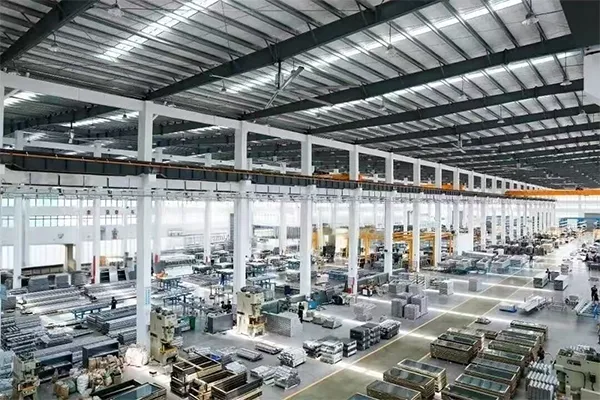
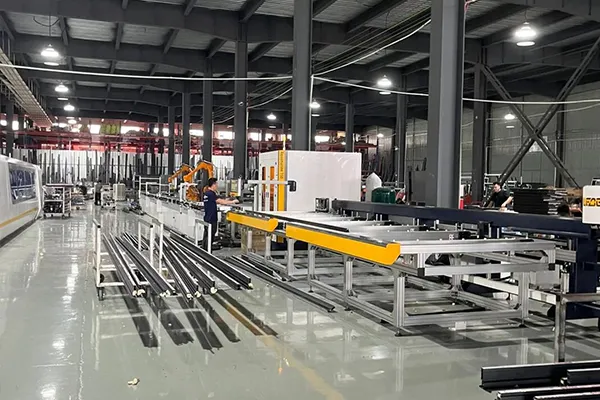
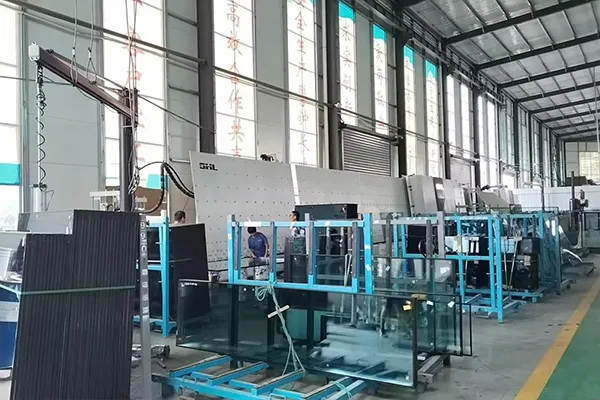
Our Industry 4.0 plant links ERP stock control with production lines. This reduces material waste and speeds up setup for custom requests. By maintaining extensive stock of raw extrusion alloys and UV stabilizers, we protect partners from pricing swings and global supply disruptions.
A performance comparison of standard building components against our UV-stabilized, marine-grade variants.
| Material Category | Common Industry Failure Modes | Our Formulated Performance Standard | Tested Lifetime (Namibian Context) |
|---|---|---|---|
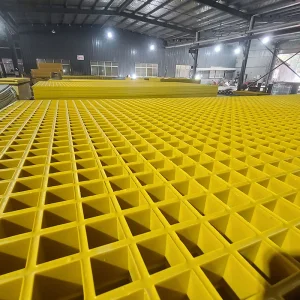
| Structural Fiberglass (FRP) | Chalking, fiber bloom, loss of elastic modulus within 3-5 years under UV. | Isophthalic polyester resin matrix supplemented with synergistic UV stabilizers and synthetic surface veils. | 15+ Years (ISO 4892-2 UV test certified) |
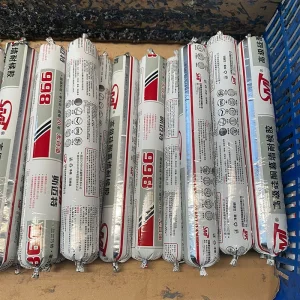
| Silicone Sealants | Shrinkage, cohesive loss, color fading. | 100% neutral cure silicone compounds with inorganic pigment configurations; zero plasticizer leaching. | 20+ Years structural elasticity |
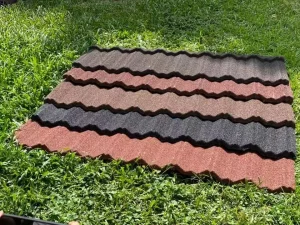
| Roofing Tiles | Paint peeling, surface rust from ocean spray, thermal heat retention. | Galvalume base coating (Al-Zn alloy) protected by baked acrylic resin primer and UV-resistant ceramic-coated stone particles. | 35+ Years storm and UV resistance |
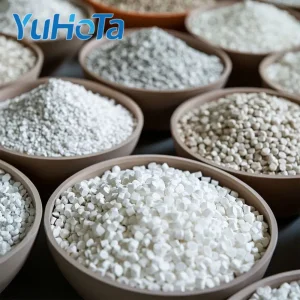
| Polymer Compounds (PVC) | Degradation, yellowing, thermal warp. | Rigid, high-molecular-weight PVC combined with titanium dioxide (TiO2) and chlorinated polyethylene (CPE) modifiers. | 15+ Years continuous exposure |
Answers to common structural engineering, logistics, and material composition questions.
Our comprehensive, high-durability product range, optimized for B2B procurement and projects throughout Namibia.