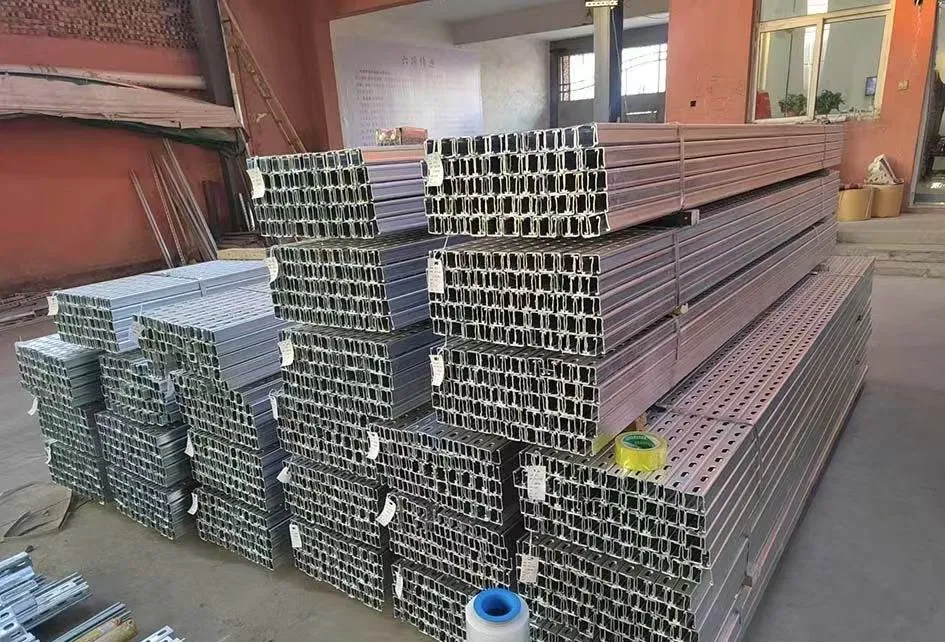
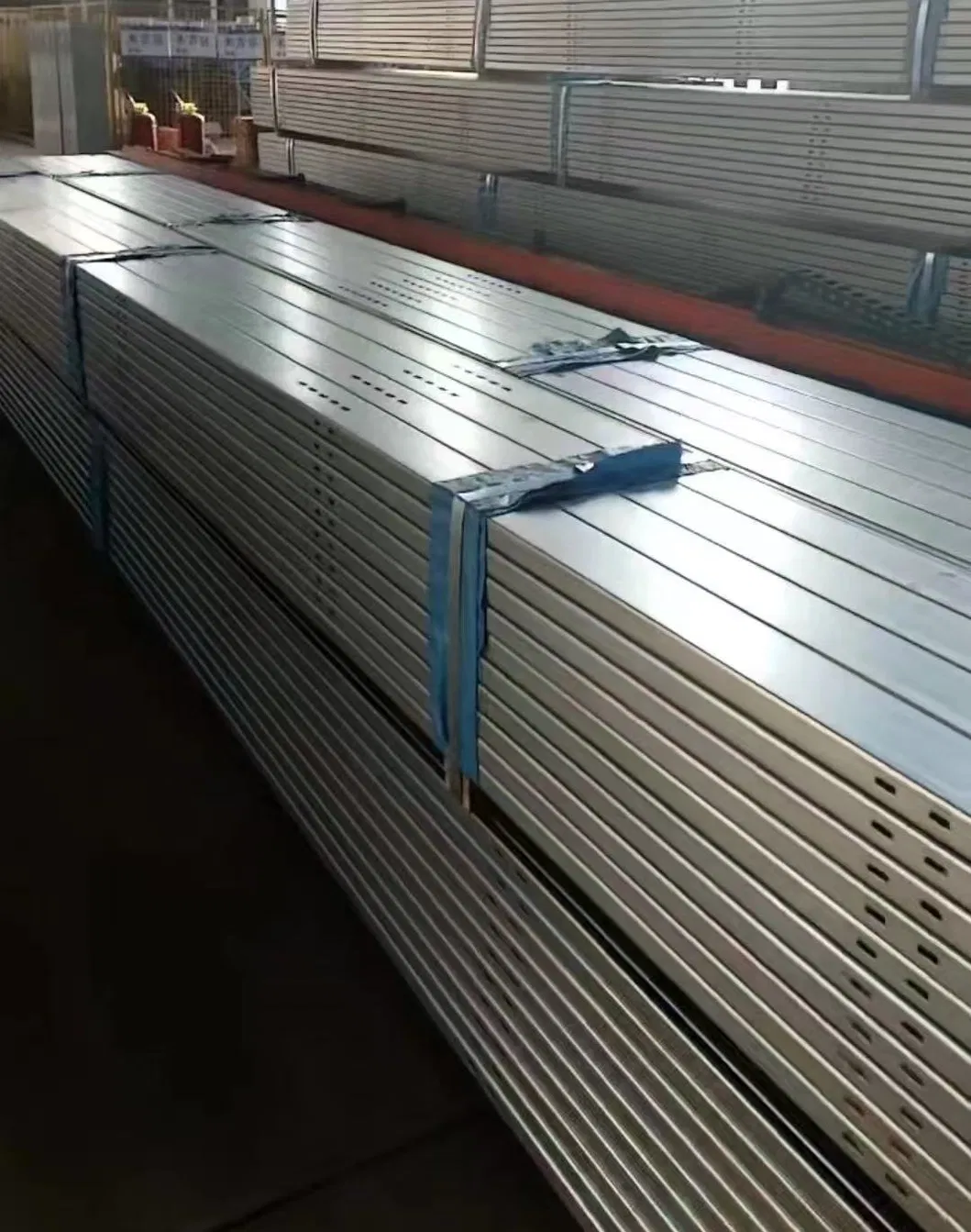
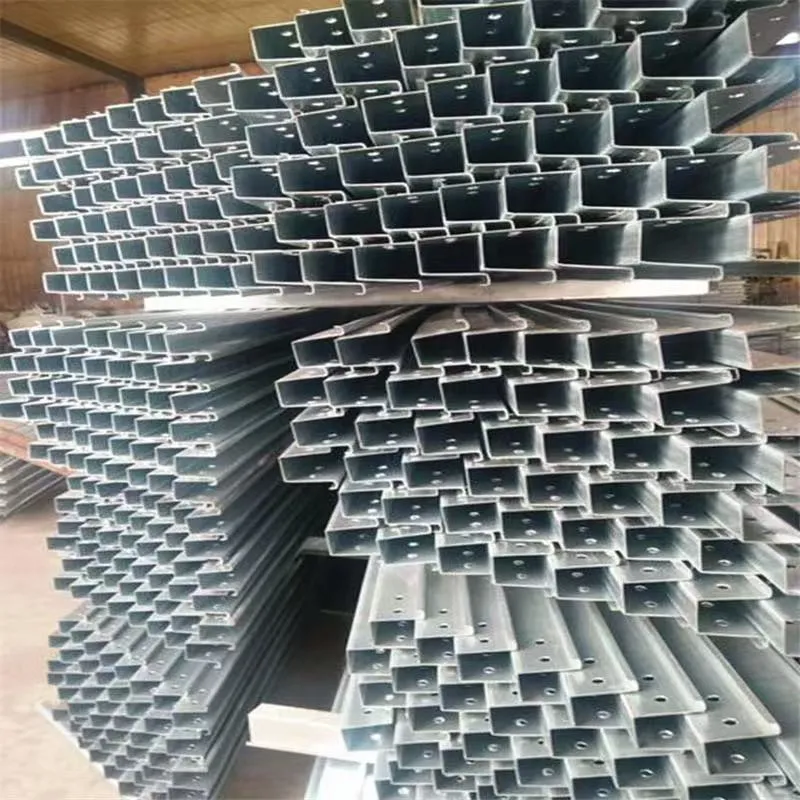
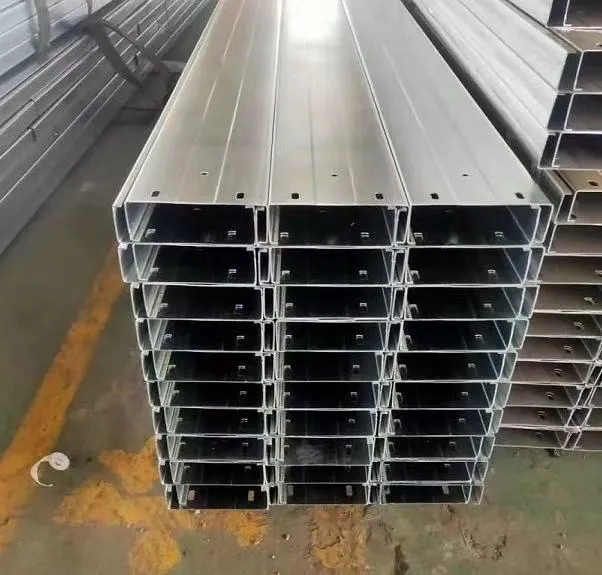
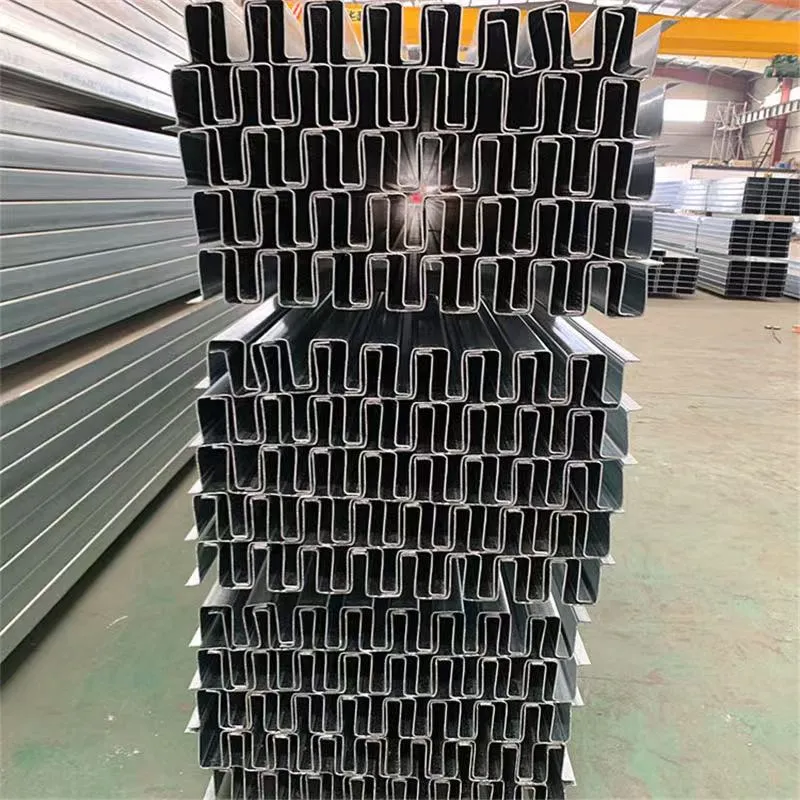
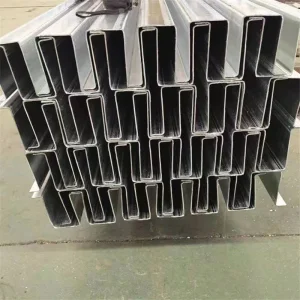
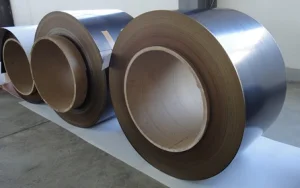
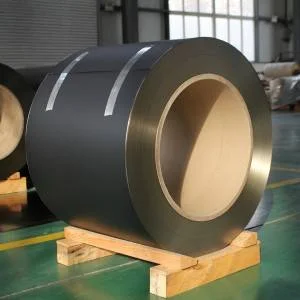
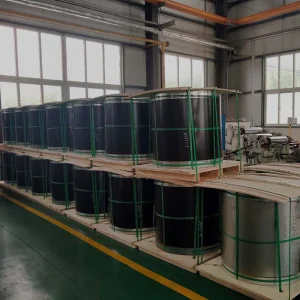
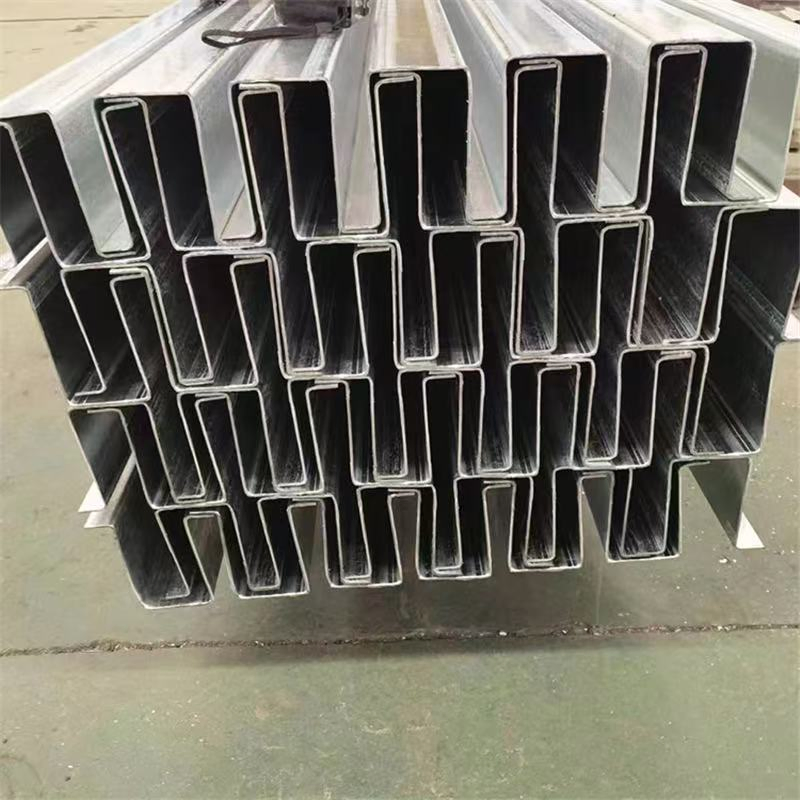
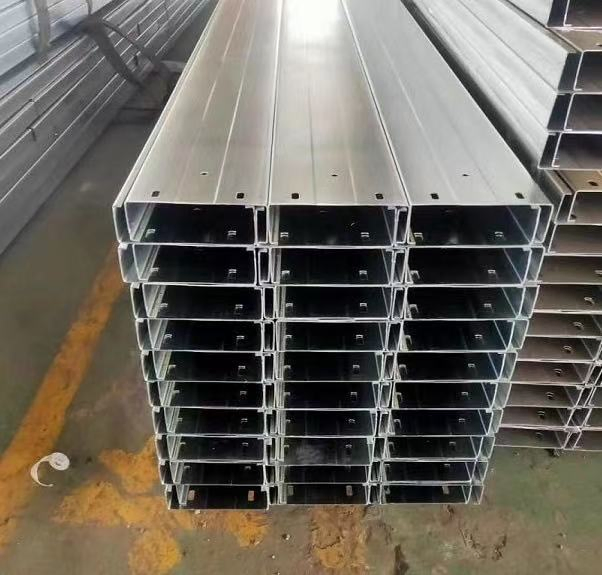
Galvanized C-shaped steel represents a revolutionary advancement in construction materials. Crafted from high-strength steel plates, these components are created through precision cold bending and rolling.
🔹 1. Basic Characteristics
- Consistent wall thickness: Ensures exceptional cross-sectional performance across all applications.
- High strength: Achieves the same strength while using 30% less material than traditional hot-rolled steel.
- Customizable specifications: Dimensions can be tailored to meet specific project needs.
🔹 2. Surface Treatment
- Uniform galvanized layer: Exceptionally smooth surface with strong zinc adhesion.
- Durable and corrosion-resistant: Zinc content ranging between 120 to 275g/㎡ for long-term protection.
🔹 3. Application Scope
- Steel structure buildings: Invaluable for purlins and wall beams.
- Building components: Ideal for roof trusses, brackets, and lightweight structures.
- Mechanical manufacturing: Perfect for columns, beams, and arms in light industry.
🔹 4. Production Process
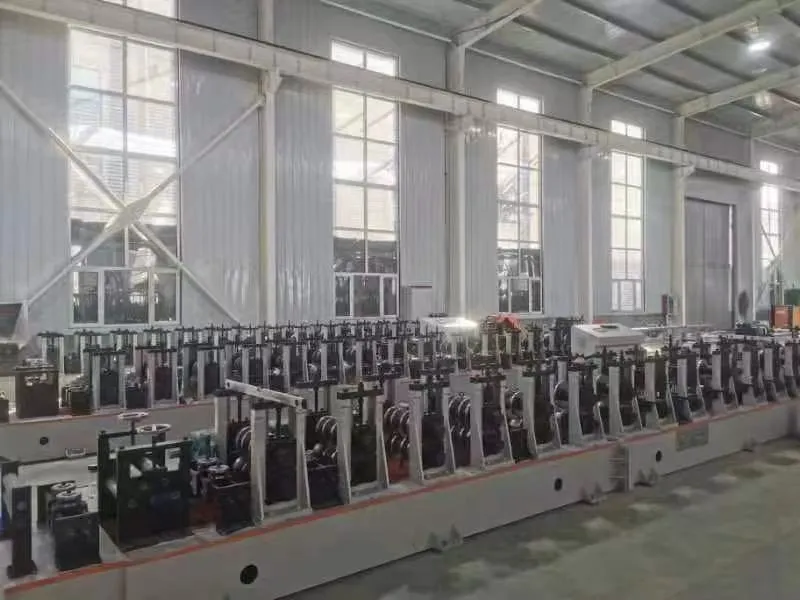
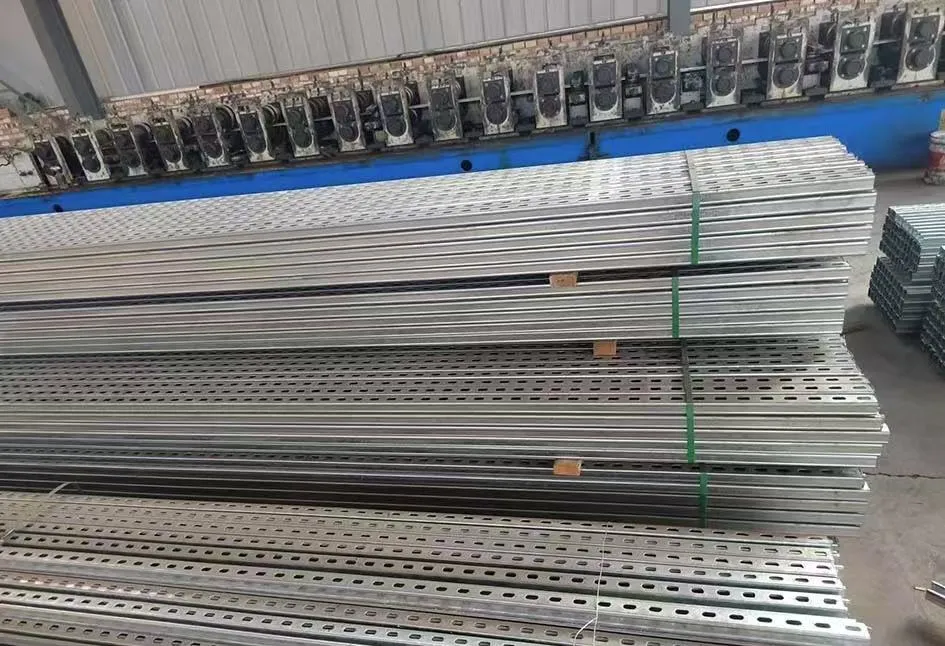
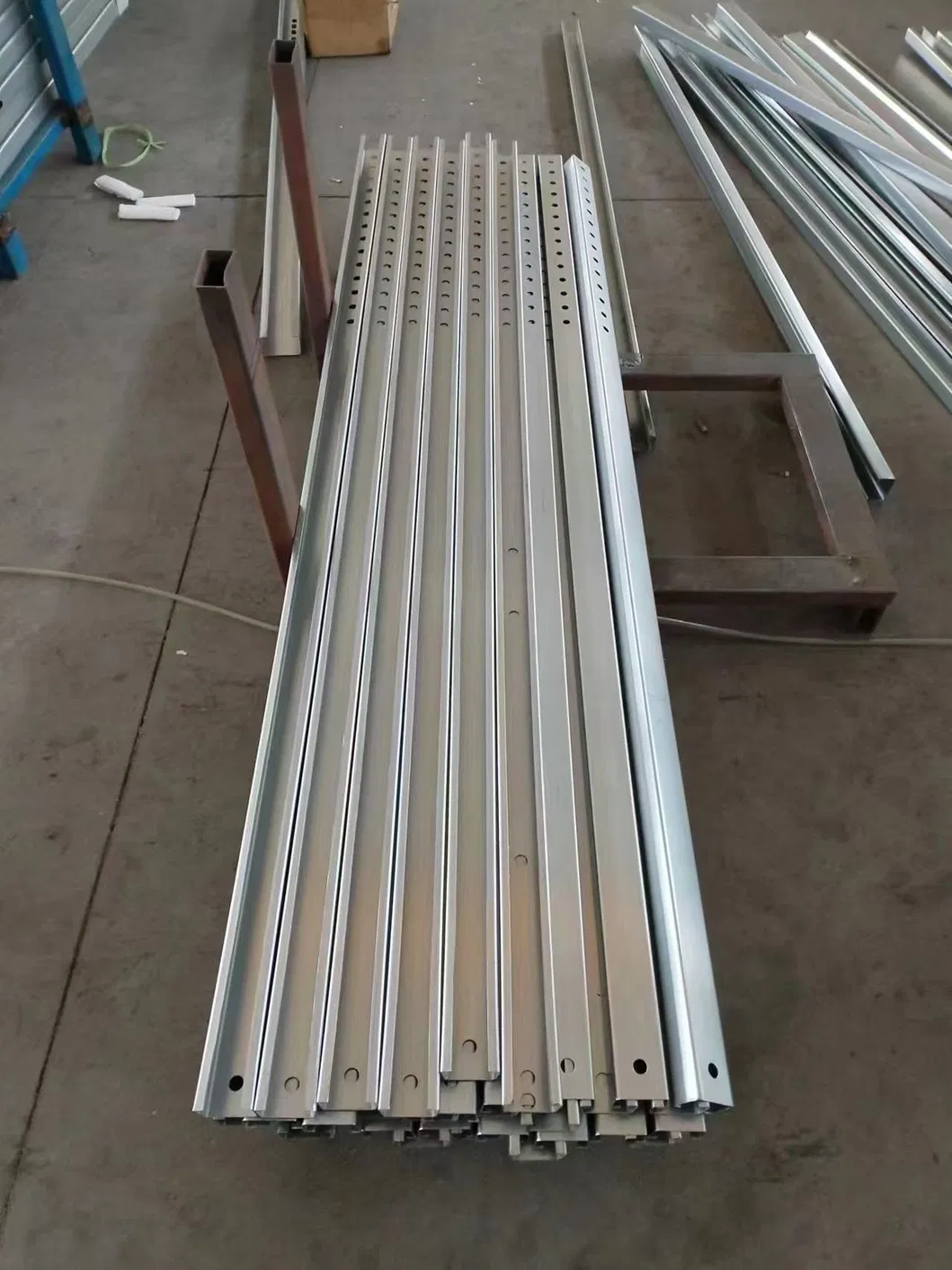
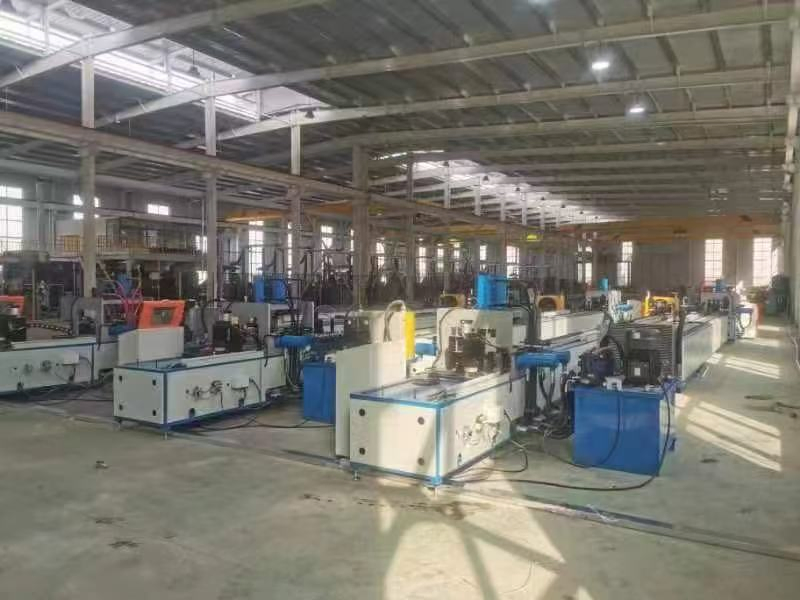
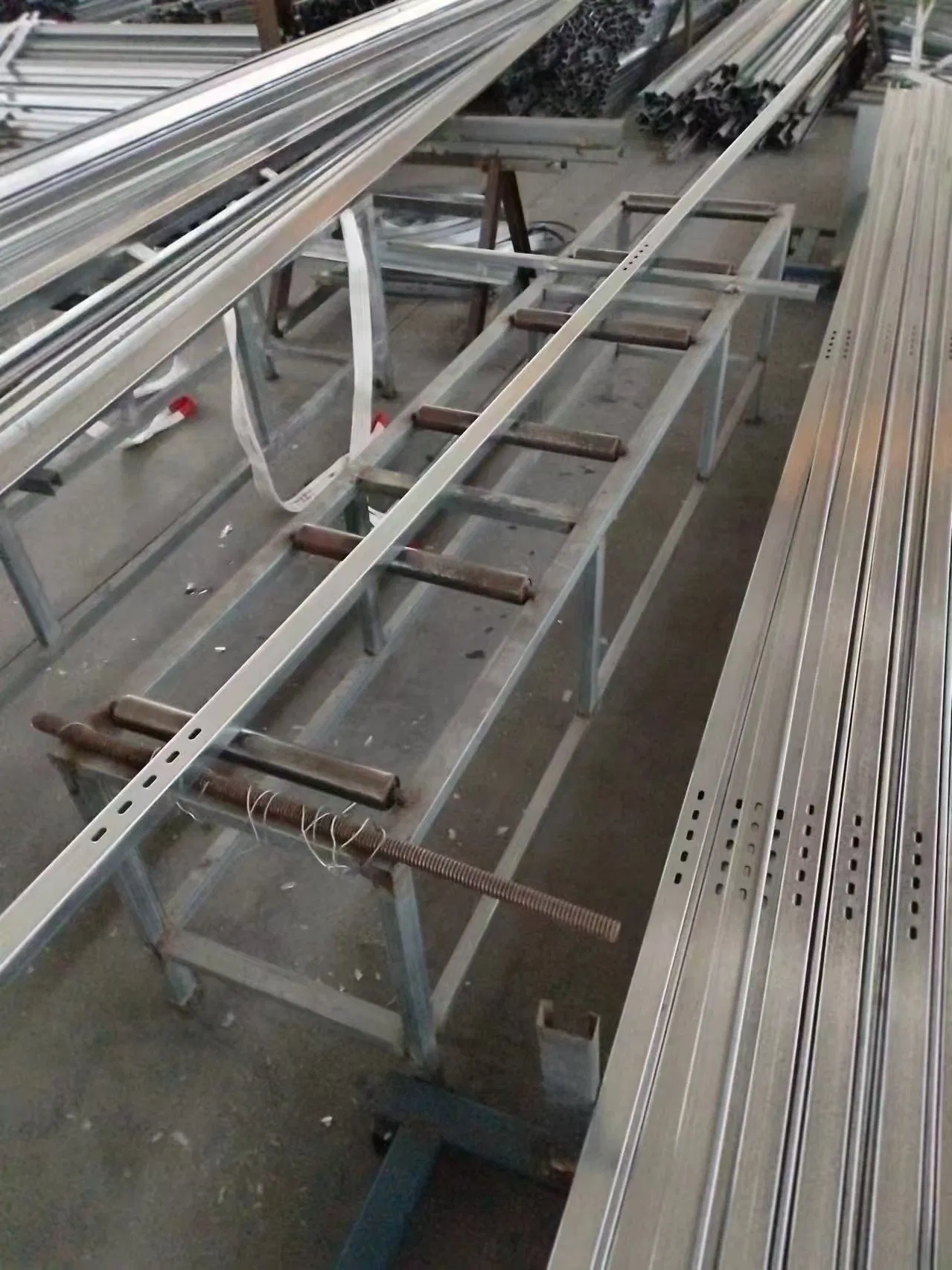
Meticulously crafted via an automated process using a C-shaped steel forming machine, encompassing stages like feeding, leveling, forming, shaping, straightening, measuring length, and precise punching.
🔹 5. Advantages and Characteristics
- Economic efficiency: Significantly reduces roof weight and steel usage.
- Comprehensive protection: Zinc layer fortifies the steel against corrosion.
- Elegant and functional: Supports multiple accessories for aesthetically pleasing solutions.
Frequently Asked Questions (FAQ)
Q1: What are the main benefits of using galvanized C-shaped steel?
A: It offers high strength-to-weight ratio, excellent corrosion resistance due to the zinc layer, and significant material savings (up to 30%) compared to traditional hot-rolled steel.
Q2: Can the dimensions of the C-shaped steel be customized?
A: Yes, the specifications including length, width, and thickness can be tailored to meet the specific requirements of your construction or manufacturing project.
Q3: What industries typically use this material?
A: It is widely used in the construction industry (steel buildings, roof trusses), mechanical manufacturing, and light industry for structural components.
Q4: How does the galvanized layer protect the steel?
A: The uniform zinc layer (120-275g/㎡) acts as a physical barrier and provides sacrificial protection, preventing rust and ensuring long-term durability.
Q5: Is it suitable for modern architectural designs?
A: Absolutely. Its clean design and ability to integrate with various accessories make it both a practical and aesthetically pleasing solution for modern steel structures.
 Aura Mesh Window