Aura Mesh Window
Aura Mesh Window
Aura Mesh Window
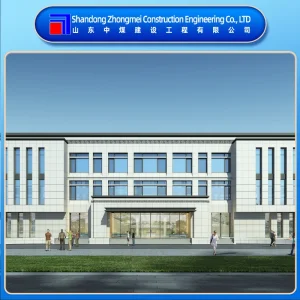
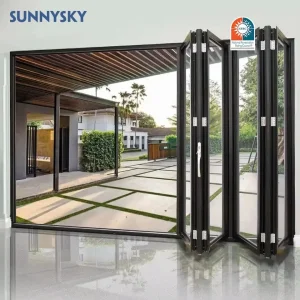
In an era defined by rapid urbanization, supply chain volatility, and stringent environmental policies, selecting building components is no longer merely a procurement task—it is a critical engineering decision. The global construction industry is moving away from fragmented material purchasing toward unified, system-integrated solutions. Designers and structural engineers must balance physical performance (such as wind load resistance, thermal barrier efficiency, and seismic absorption) with commercial requirements (such as lead times, customs compliance, and long-term durability).
To address these complexities, modern project developers are leveraging pre-engineered and standardized building envelopes. By integrating high-performance aluminum framing systems, low-E structural glazing, and protective powder coatings, commercial structures achieve superior durability with lower maintenance over their lifecycles. Utilizing structural steel profiles in modular prefabricated designs has revolutionized building velocity, reducing onsite labor requirements by up to 40% and mitigating weather-related project delays.
Engineered to meet international seismic and wind load regulations, ensuring absolute structural safety across diverse geoclimatic zones.
Advanced thermal break technologies and low-emissivity glass assemblies designed to meet LEED and local green building standards.
High-durability powder coatings, anodization, and specialized alloys designed for high-salinity coastal environments and industrial zones.
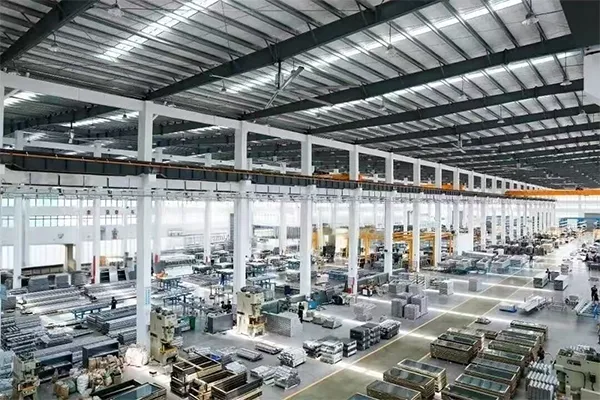
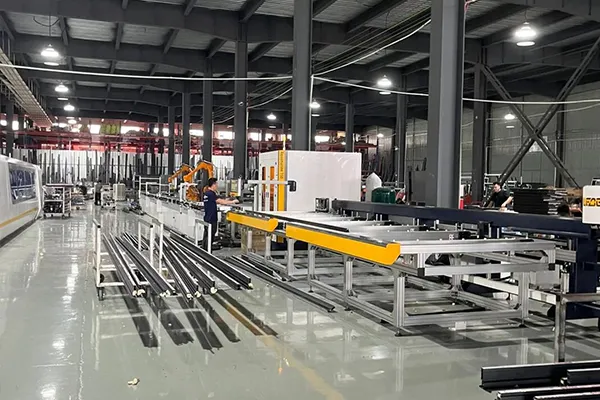
With over 10 years of deep industry expertise, our manufacturing operations are anchored in a state-of-the-art facility spanning 30,000 square meters. Located in the recognized industrial hub of Anyi County, Nanchang City, Jiangxi Province, China, our facility is engineered to run high-throughput production lines while maintaining precision tolerances. The plant operates six dedicated production workshops configured with six advanced glass processing lines, eight specialized door and window production lines, and four heavy-duty metal fence fabrication lines.
Our workforce of 150 skilled professionals includes 45 dedicated engineers. These technical experts oversee the entire production life cycle, providing structural design verification, construction blueprints, optimized shop drawings, new product R&D, and step-by-step installation guides. Every contract is assigned a designated lead engineer to ensure technical specifications match the project's geographic and structural requirements.
Founded in Anyi County, Jiangxi Province. Established core capabilities in structural glass processing, architectural window frame design, and aluminum perimeter barriers.
Expanded commercial footprint into structural aluminum profiles and high-end hardware accessories, cementing deep supply ties and logistics systems.
Invested in modern tooling to enter the all-aluminum home furnishings and integrated structural facade sectors, meeting international demand for durable, VOC-free materials.
Operating as a premier integrated manufacturer with exports reaching over 100 countries in Africa, Asia, Australia, and the Americas, backed by dedicated logistical support for fragile shipments.
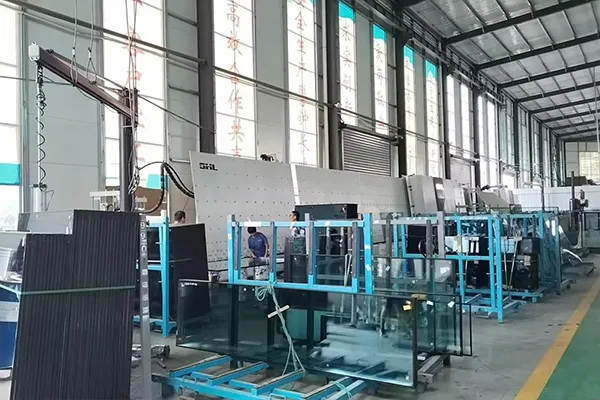
Procuring structural materials from overseas factories requires understanding regional standards, trade agreements, and supply logistics. China's building material hubs, particularly Anyi's aluminum cluster, offer major structural advantages by consolidating raw materials, high-precision tooling, and surface treatment facilities. This ecosystem allows manufacturers to manage costs while delivering highly customized architectural products.
Our global supply map covers diverse regulatory regions:
To support procurement decisions, our engineering team compiled a comparison of common structural and finishing options based on physical and performance parameters:
| Material Classification | Common Standard Specifications | Tensile Strength / Yield Point | Thermal & Coating Performance | Typical Lifetime & Degradation Risk | Ideal Application Environment |
|---|---|---|---|---|---|
| 6063-T5/T6 Structural Aluminum | ASTM B221, EN 755-2 | 186-250 MPa | K-value optimized via PA66 Thermal Breaks; Anodized or Powder Coated | 30+ Years; High resistance to atmospheric corrosion | Architectural Glazing, Window Systems, Curtain Walls |
| Q235 / Q355 Structural Steel | ASTM A36, EN 10025 | 235-355 MPa (High yield strength) | Requires Hot-Dip Galvanizing or High-Solid Epoxy Coatings | 50+ Years (when properly coated against oxidation) | Industrial Warehouses, Heavy Structures, Prefab School Frames |
| Tempered / Laminated Safety Glass | AS/NZS 2208, EN 12150 | Surface Compression > 90 MPa | Low-E coating options available; Solar Heat Gain Coefficient (SHGC) up to 0.25 | Indefinite; Risk of edge delamination if seals fail | Building Facades, Bifold Patio Enclosures, Balustrades |
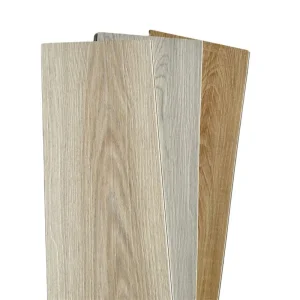
| SPC Luxury Vinyl Flooring | EN 14041, ASTM F3003 | Highly rigid stone-plastic core | Excellent water resistance; R10/R11 slip ratings | 15-25 Years in high-traffic commercial settings | Commercial Office Interiors, Hospitality, Modular Prefab Pods |
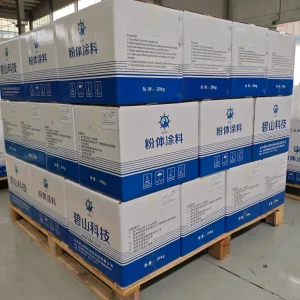
| Pure Polyester Powder Coatings | AAMA 2603/2604, Qualicoat Class 1/2 | Excellent adhesion and impact resistance | Resistant to UV degradation, chemical exposure, and color fade | 10-20 Years depending on local solar exposure levels | Exterior Metal Cladding, Industrial Enclosures, Parking Systems |
A primary challenge in importing construction materials is alignment with localized building codes. Standard products purchased off-the-shelf often fail local inspections due to inadequate documentation or non-compliant design. Our team of 45 engineers bridges this gap by customizing structural and shop drawings to meet local structural calculations, deflection limits, and wind load zones.
Every order undergoes rigorous quality verification, from chemical composition testing of aluminum ingots to impact tests on tempered glass panels. Because glass and finished metals are highly vulnerable to transport damage, we utilize specialized packing and logistics protocols. Products are packed using customized steel-strapped wooden crates, shock-absorbing materials, and vacuum seals to ensure they arrive intact and ready for installation.
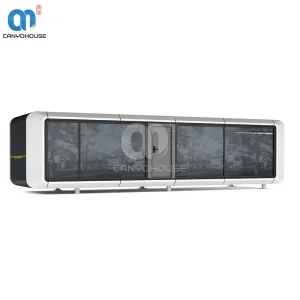
Modular designs, such as sound-insulated capsule units, rely on integrated, high-rigidity structural skeletons. These units combine acoustic insulation, thermal barriers, and impact-resistant glass, providing high-efficiency solutions for suburban developments and modern office spaces.
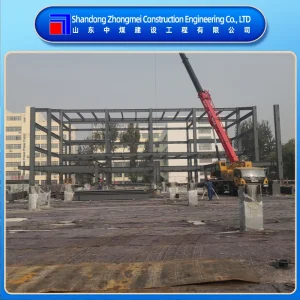
For heavy-duty storage, distribution hubs, and educational complexes, structural steel frames offer structural reliability and fast deployment. Precision manufacturing allows these structures to be assembled efficiently, reducing onsite labor costs.
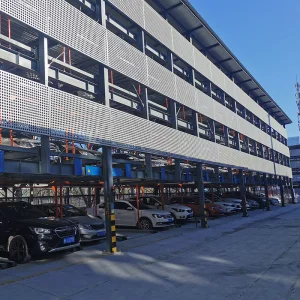
Urban densification requires smart space utilization. Automated mechanical parking systems utilize structural metals protected by weather-resistant powder coatings to ensure reliable operation in both outdoor and high-humidity indoor facilities.
The future of structural materials is defined by low-carbon manufacturing, smart functionality, and structural integration. As a leading manufacturer, we continuously refine our production processes to support global sustainability initiatives. We are actively reducing energy consumption across our extrusion and tempering lines, transitioning to next-generation coatings with lower environmental footprints, and developing smarter, modular structural components.
Transitioning to aluminum billets processed with renewable energy, reducing embodied carbon by up to 30%.
Developing multi-chamber polyamide thermal breaks to achieve thermal performance suitable for passive house certifications.
Integrating IoT sensors and control automation directly into architectural glazing, mechanical gates, and smart parking structures.
Engineering products for disassembly, ensuring aluminum, steel, and glass components can be recycled at the end of the building's lifecycle.